
How to Choose the Right Filter Bag Material for High-Temperature and Harsh Dust Collection Applications
- February 2, 2026
- 行政
- 4:09 pm
A Complete Guide to PPS, P84, Aramid, Fiberglass, and Ceramic Filter Bags
In industrial baghouse dust collection systems, the choice of filter bag material directly impacts filtration efficiency, system stability, and overall operating costs. Under harsh conditions such as high temperatures, corrosive gases, high moisture levels, or fine particulate matter, standard polyester or acrylic filter media often fail to provide long-term reliable performance.
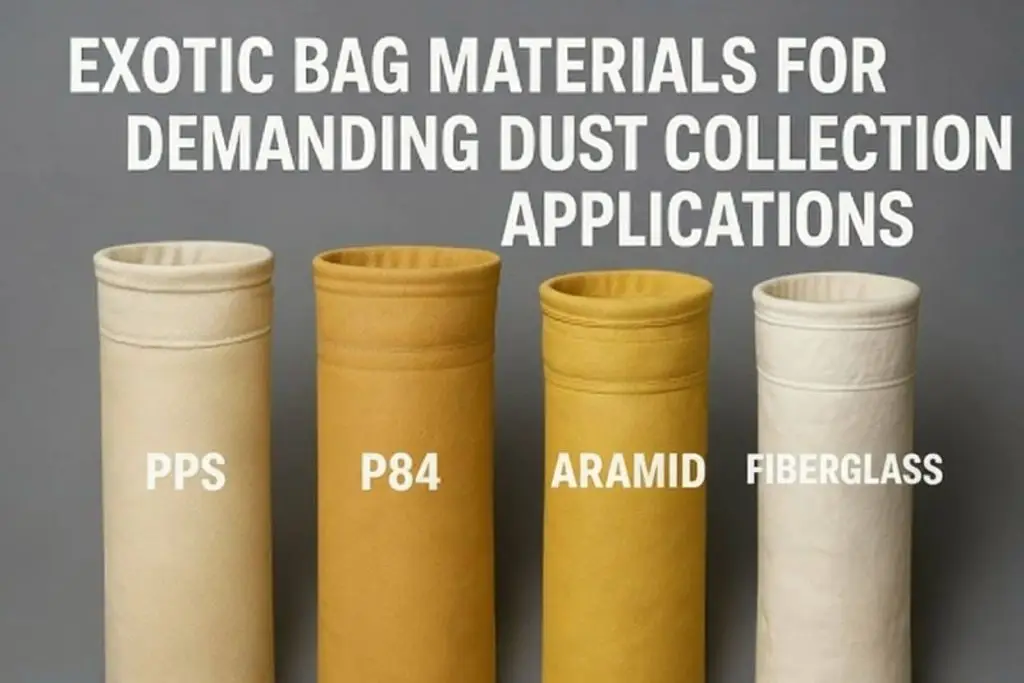
To address these challenges, high-performance filter bag materials such as PPS, P84, Aramid, Fiberglass, and Ceramic have become essential solutions for demanding industrial applications. This article provides an in-depth comparison of these advanced materials, explains their ideal operating conditions, and offers practical guidance to help users select the most suitable filter media for their specific process requirements.
Why Standard Filter Bags Fail in High-Temperature or Chemical Environments
In baghouse systems, filter bags are continuously exposed to extreme operating conditions, including:
Elevated flue gas temperatures
Acidic or alkaline chemical gases
High humidity or condensation
Highly abrasive or fine dust particles
Under these conditions, conventional filter media may suffer from thermal degradation, chemical attack, loss of mechanical strength, or dimensional instability, leading to premature bag failure, emission exceedances, and unplanned downtime. Selecting the correct high-performance filter bag material is therefore critical to ensuring stable operation and long service life.
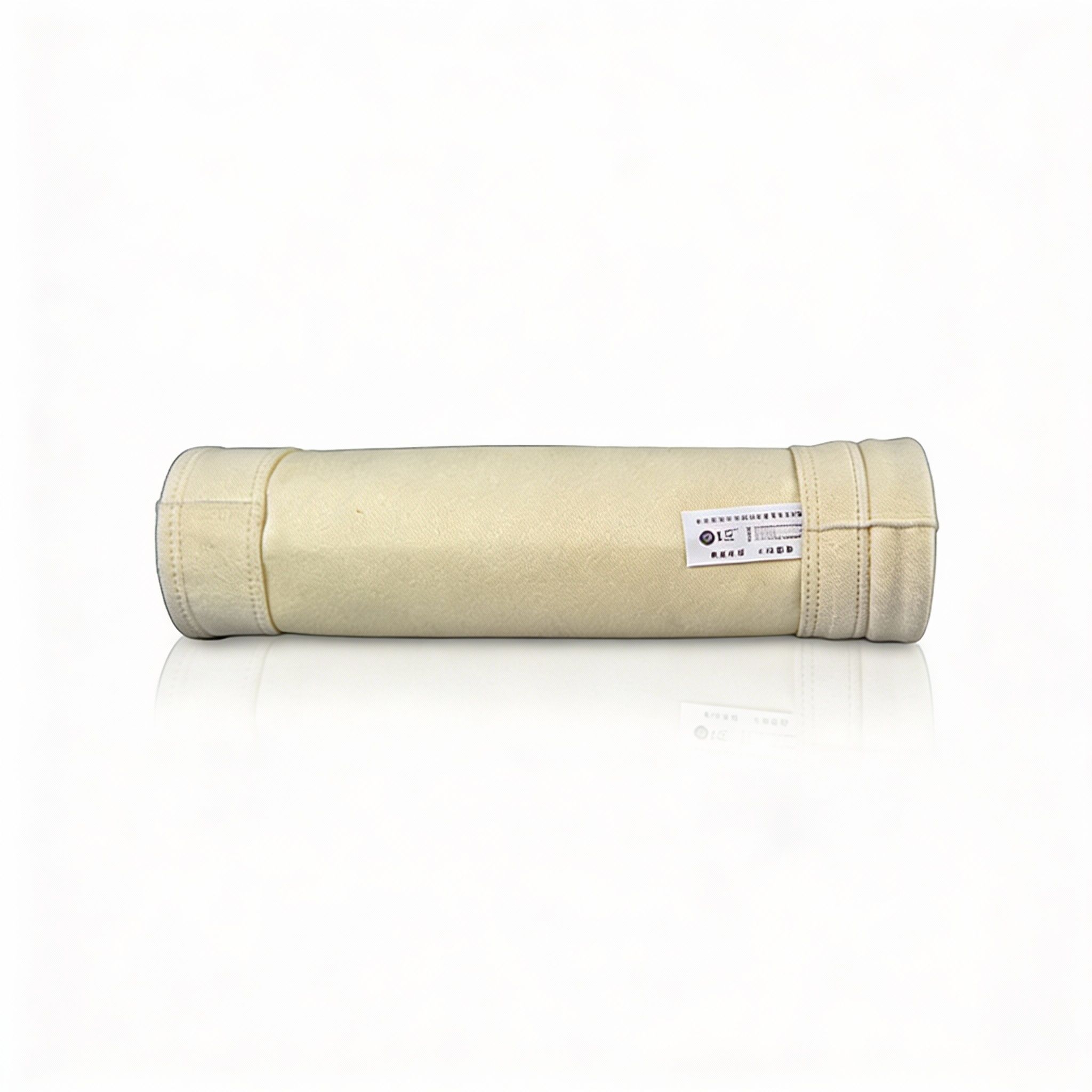
PPS Filter Bags: Ideal for Acidic and High-Moisture Applications
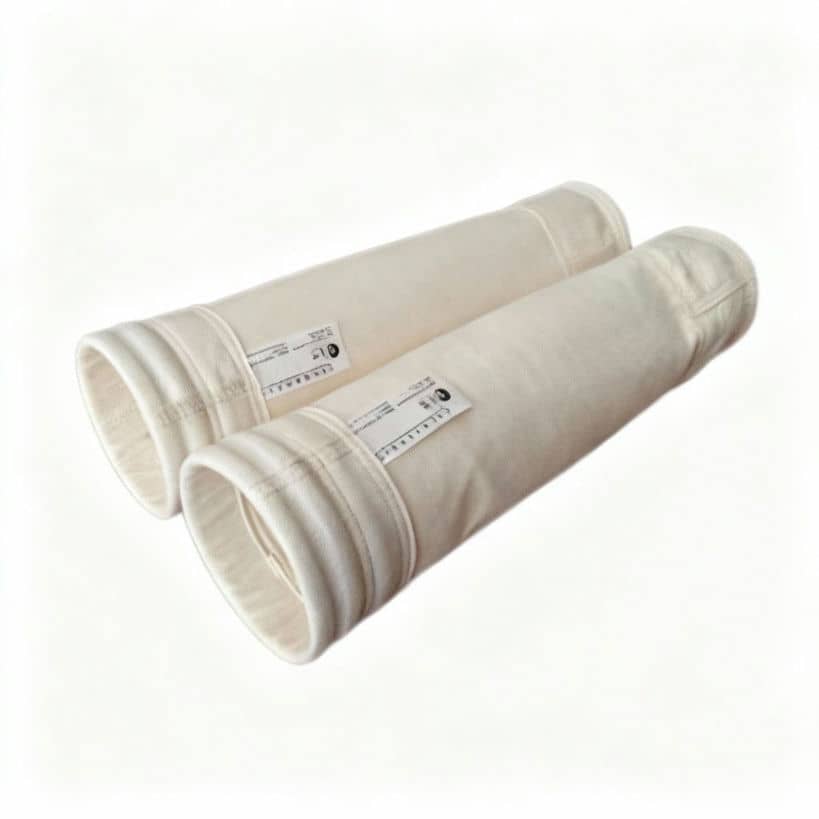
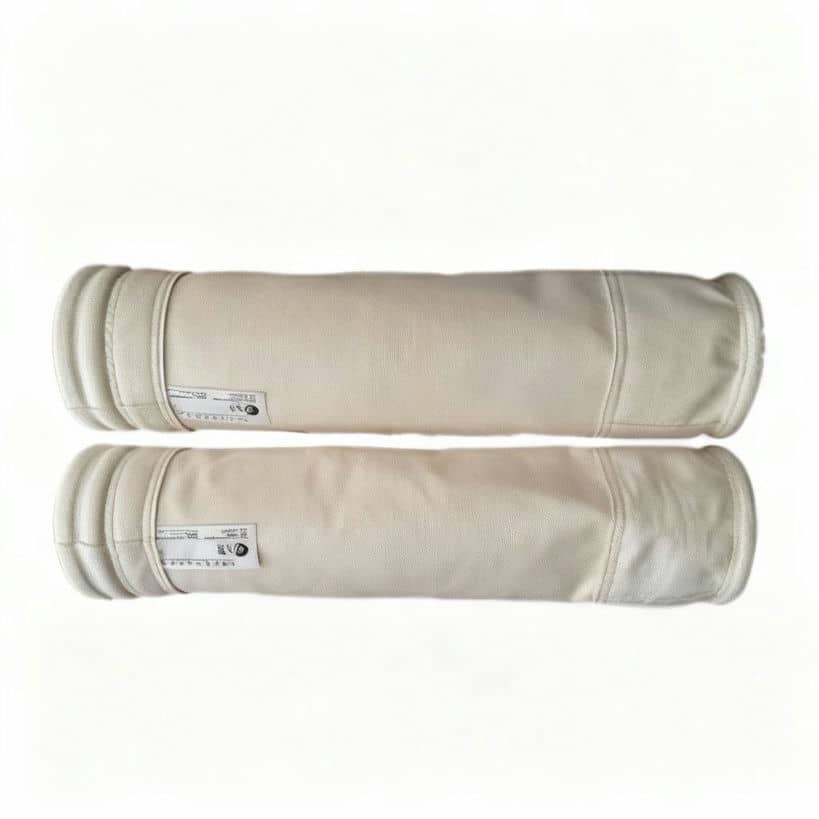
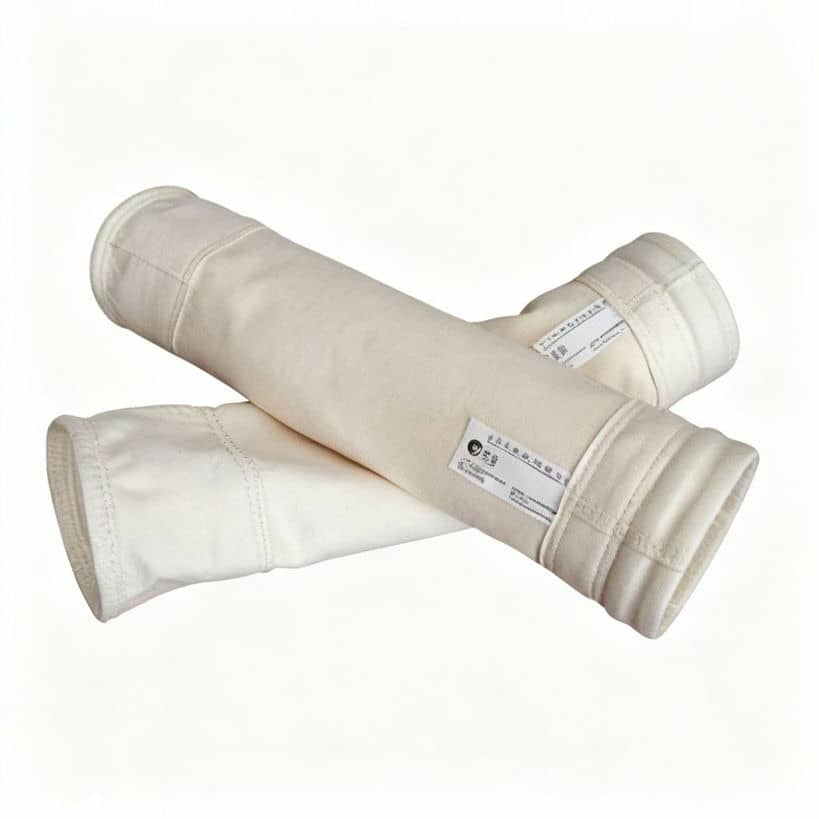
PPS filter bags are well known for their excellent chemical resistance and thermal stability, particularly in environments containing acid gases or high moisture levels.
Key advantages of PPS filter bags include:
Continuous operating temperatures up to approximately 190°C (375°F)
Strong resistance to SO₂, NOx, and other acidic components
Excellent performance in high-humidity or high-dew-point conditions
As a result, PPS filter bags are widely used in coal-fired boilers, waste-to-energy plants, municipal solid waste incinerators, power generation, and chemical processing industries, where acidic or corrosive environments are common.
P84 Filter Bags: High Filtration Efficiency with Low Pressure Drop
P84 filter bags are manufactured using uniquely shaped trilobal fibers, which provide significantly greater surface area compared to conventional round fibers. This structure delivers several performance benefits:
Higher dust collection efficiency
Lower operating pressure drop
Reduced cleaning frequency and energy consumption
P84 filter bags are especially suitable for applications requiring high filtration efficiency and strict emission control, such as cement plants, chemical processing facilities, and waste incineration systems. They typically perform best at operating temperatures up to 260°C (500°F) and in low-acid or neutral gas environments.
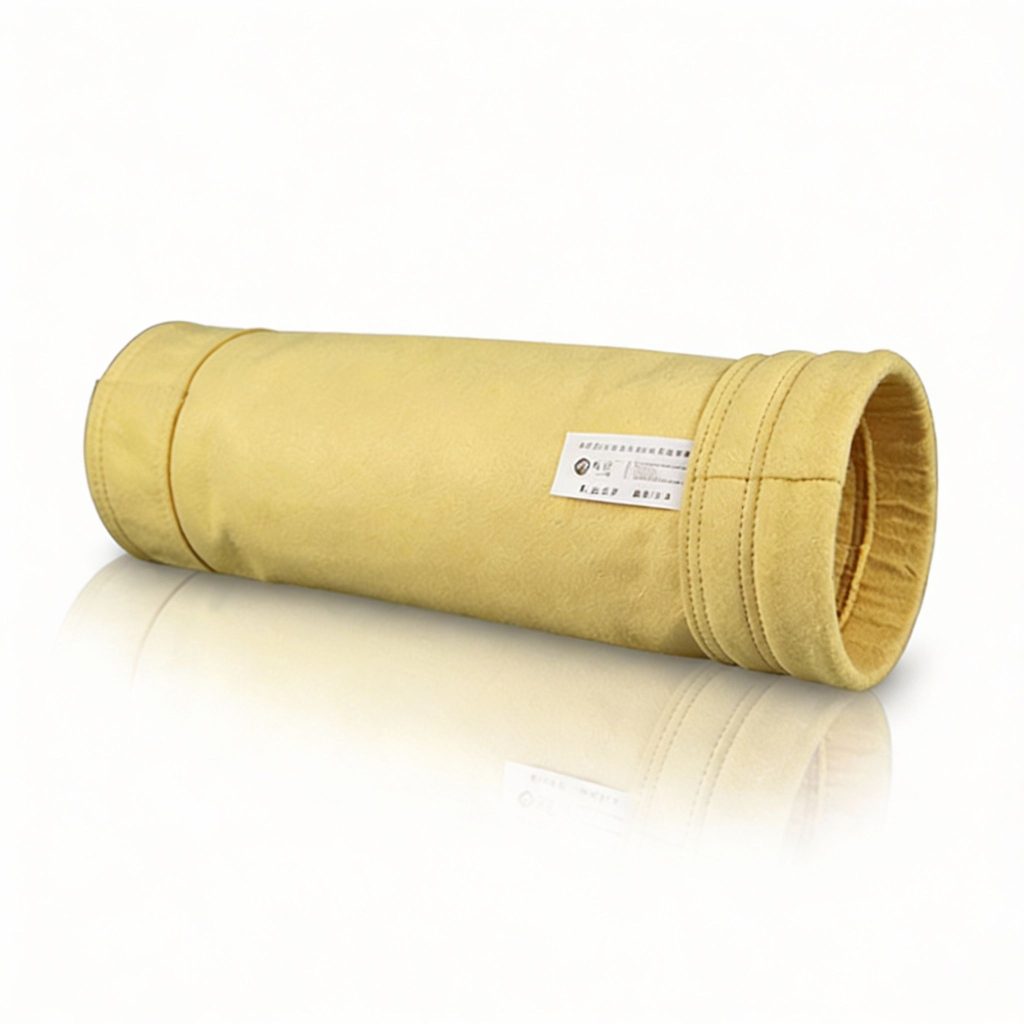
Aramid Filter Bags: Durable Workhorse for High-Temperature Applications
Aramid filter bags, commonly known by trade names such as Nomex® or Conex®, are widely regarded as the workhorse of high-temperature filtration.
Their key characteristics include:
Excellent mechanical strength and abrasion resistance
Good dimensional stability under continuous operation
Continuous temperature resistance up to approximately 190°C (375°F)
Aramid filter bags are commonly used in asphalt plants, metal processing, mineral handling, and power generation, particularly in applications with abrasive dust and stable operating conditions. With proper maintenance, aramid filters offer long service life and reliable performance.
High-Performance Filter Bags — Without the High Price
Efficient manufacturing allows Yc-group.com to deliver reliable dust collector filter bags with lower upfront costs and faster operational savings.
Fiberglass Filter Bags: Proven Performance in Extreme Heat
For applications involving even higher temperatures, fiberglass filter bags remain one of the most reliable and widely used solutions.
Key features include:
- Continuous operating temperatures above 260°C (500°F)
- Compatibility with reverse-air, pulse-jet, and shaker baghouses
- Extensive use in kilns, steel mills, power plants, refineries, and carbon black production
Fiberglass filter bags can be further enhanced with PTFE coatings, ePTFE membranes, or acid-resistant finishes, improving cleanability, corrosion resistance, and overall durability in harsh environments.
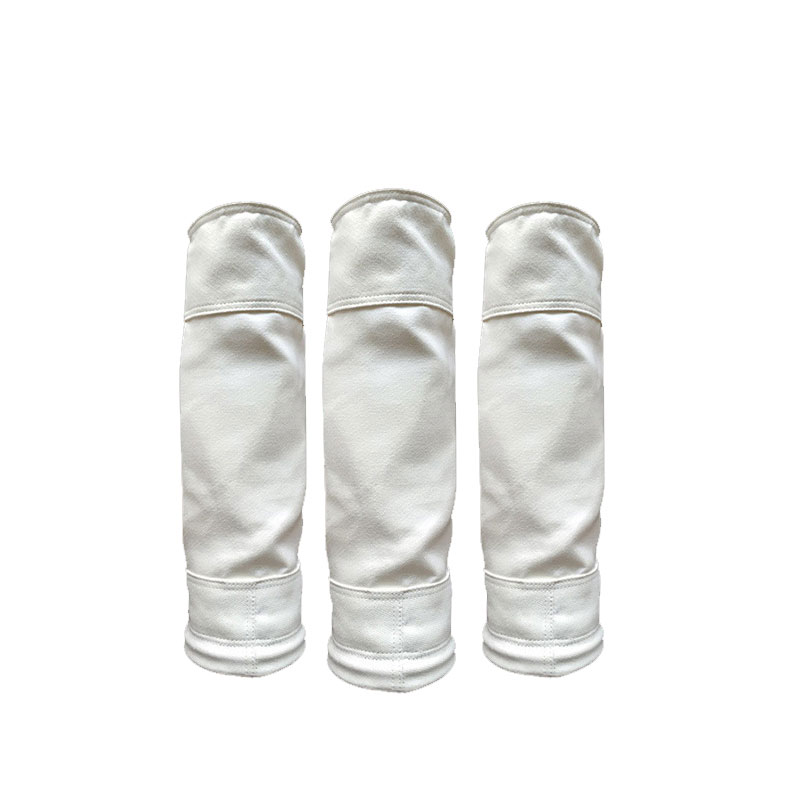
Ceramic Filter Bags: Ultimate Solution for Ultra-High-Temperature Conditions
When operating temperatures exceed the limits of conventional fiber-based materials, ceramic filter bags provide unmatched performance.
Ceramic filters offer:
- Continuous operation at temperatures above 370°C (700°F)
- Excellent resistance to thermal shock
- Reduced need for flue gas cooling, resulting in energy savings
They are commonly used in metallurgical furnaces, high-temperature incinerators, and specialized industrial exhaust systems, where extreme heat and system reliability are critical.
Advanced Surface Treatments: Extending Filter Bag Life and Performance
Selecting the right base fiber is only part of the solution. Advanced surface treatments play a vital role in enhancing filter performance and longevity:
- ePTFE membrane improves filtration efficiency and reduces cleaning frequency
- PTFE (Teflon®) finishes enhance chemical resistance and anti-stick properties
- Basalt fiber reinforcement increases abrasion resistance and spark protection
Combining the appropriate filter media with specialized surface finishes can significantly reduce maintenance costs and improve long-term baghouse performance.