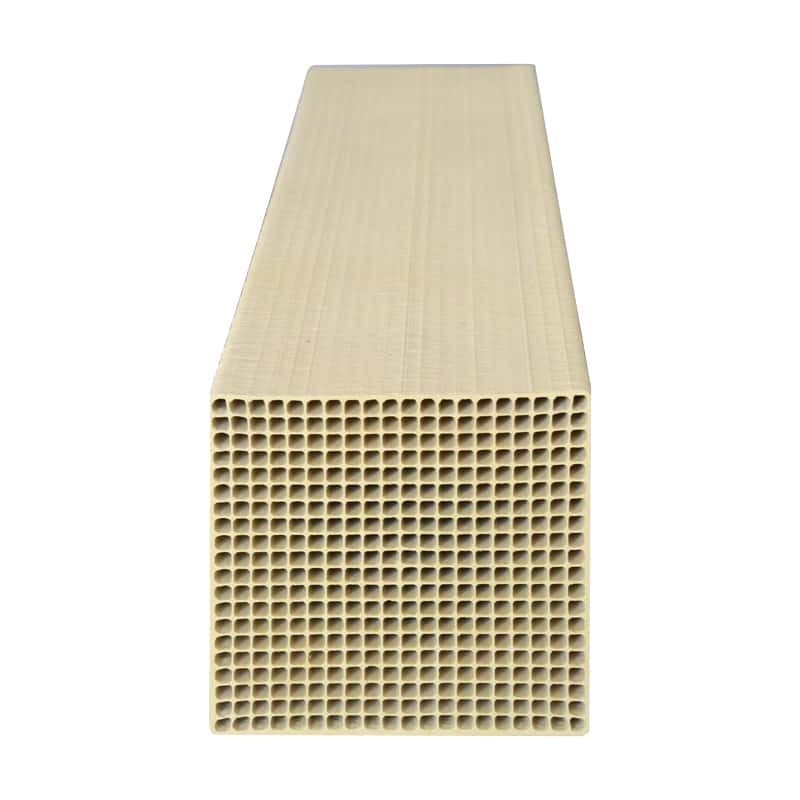
VOC CATALYST
High-efficiency VOC catalyst for industrial exhaust gas treatment in chemical, coating, printing, pharmaceutical, and petrochemical industries. Low-temperature, energy-saving, and durable solution for VOC removal.
| Specific Surface Area | 150–250 m²/g |
| Thermal Stability | Maximum temperature resistance 500°C |
| Poison Resistance | Maximum temperature resistance 500°C |
| Mechanical Strength | ≥ 10 N/cm² |
| Service Life | 3–5 years |
VOC Catalyst is a high-efficiency catalytic material designed for the removal of volatile organic compounds (VOCs) from industrial exhaust gases. VOC emissions are commonly generated in industries such as chemical manufacturing, coating, printing, pharmaceuticals, and petrochemical production. If not properly treated, these pollutants can cause serious environmental pollution and health risks.
VOC catalytic oxidation technology converts harmful organic gases into harmless carbon dioxide (CO₂) and water (H₂O) through catalytic reactions at relatively low temperatures. Compared with traditional thermal oxidation technologies, VOC catalysts significantly reduce operating temperatures and energy consumption while maintaining high purification efficiency.
Key Features of VOC Catalyst
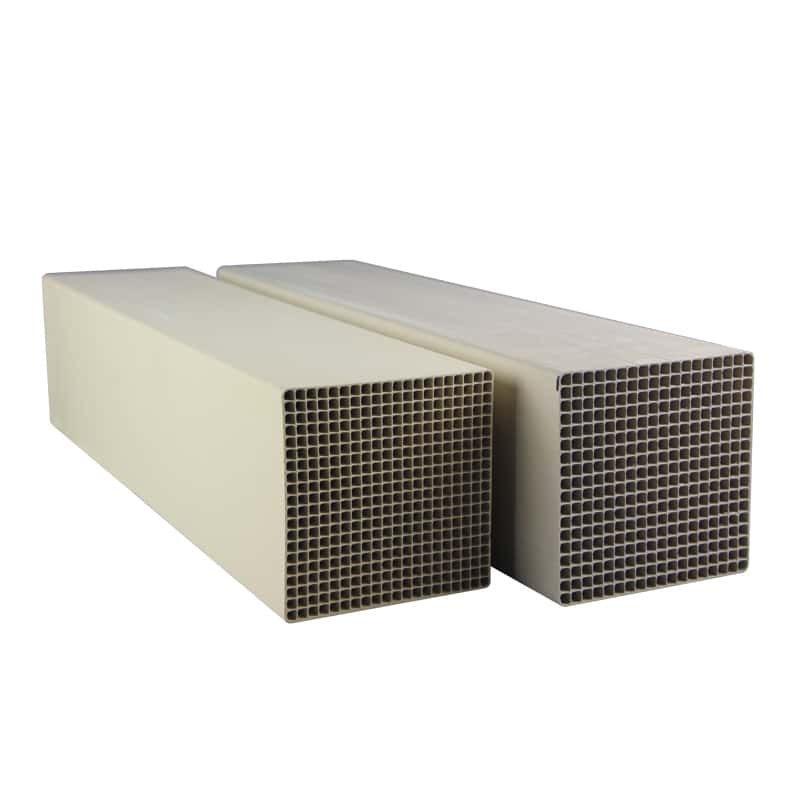
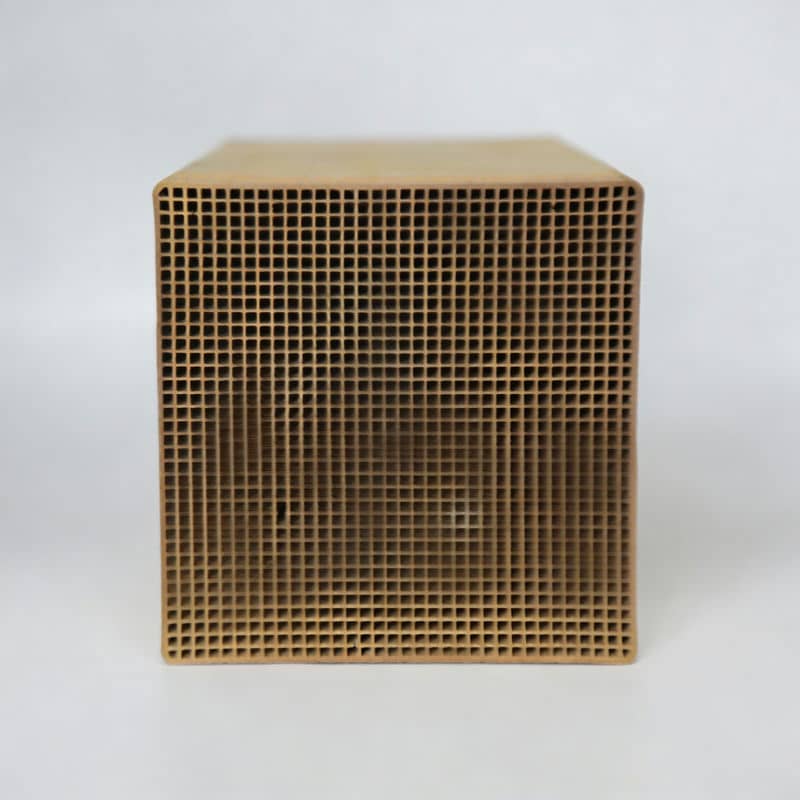
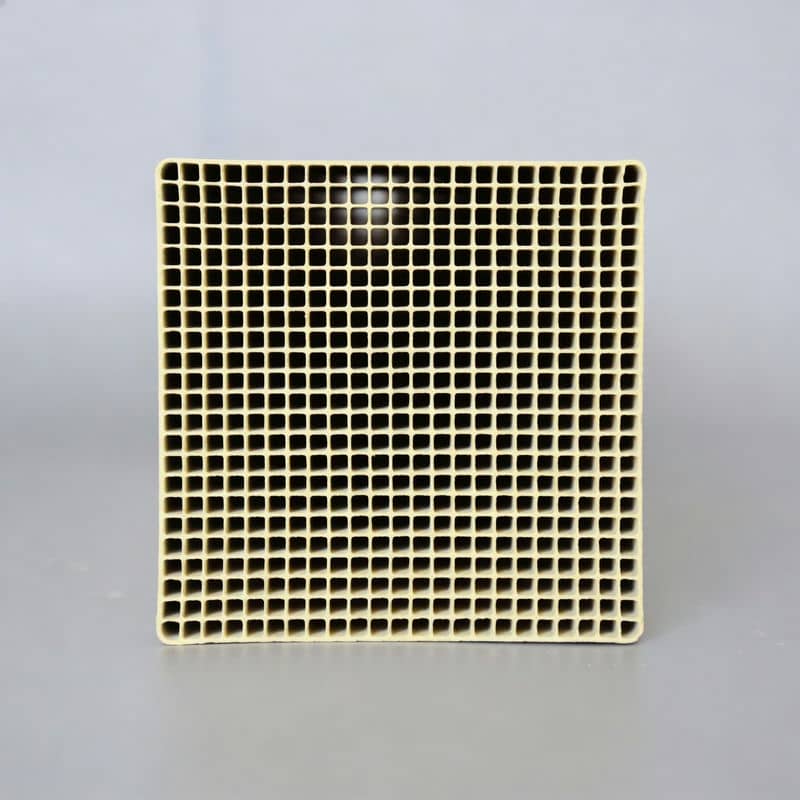
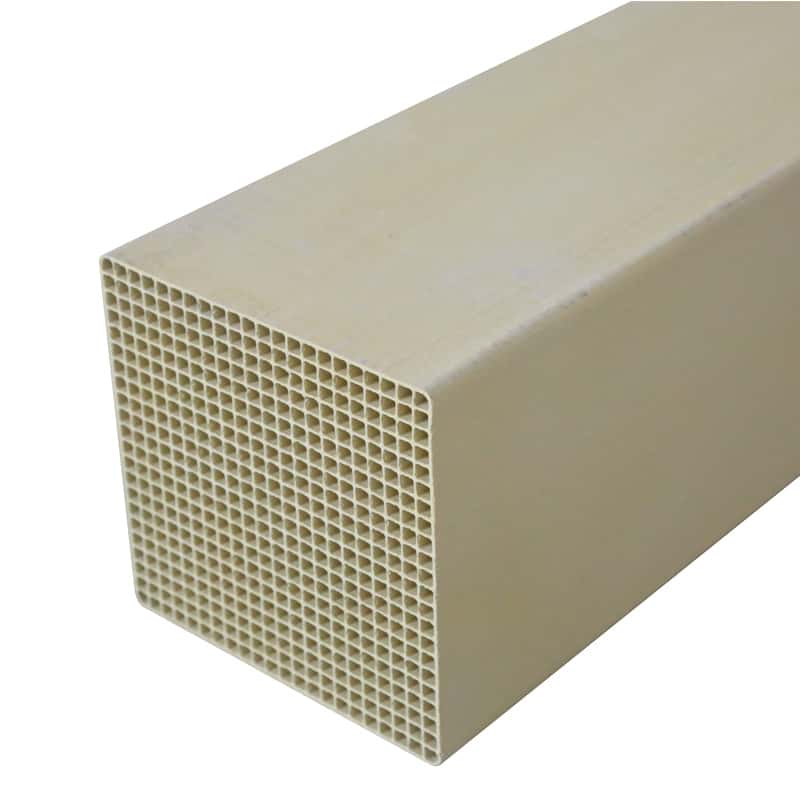
Our VOC catalyst is developed with advanced catalytic formulations and optimized honeycomb structures to ensure high catalytic activity, excellent thermal stability, and long service life in industrial emission control systems.- High VOC Removal Efficiency – Efficient catalytic oxidation ensures high conversion rates for a wide range of organic compounds.
- Wide Operating Temperature Range – Maintains stable catalytic performance across different industrial operating conditions.
- Low Energy Consumption – Catalytic oxidation reduces reaction temperature compared with traditional thermal incineration.
- Low Pressure Drop – Optimized honeycomb structure ensures smooth airflow and reduced system resistance.
- Long Service Life – Advanced catalyst formulation ensures strong durability and resistance to thermal aging.
Technical Parameters
- VOC Removal Efficiency: ≥ 95%
- Operating Temperature: 200 – 400°C
- Cell Density: 200 – 400 cpsi
- Pressure Drop: ≤ 120 Pa
- Catalyst Structure: Honeycomb
- Carrier Material: Ceramic or Metal
Working Principle
VOC catalytic oxidation technology accelerates the oxidation reaction between volatile organic compounds and oxygen with the help of a catalyst. When VOC-containing gas passes through the catalyst layer, organic molecules are adsorbed onto the catalyst surface and react with oxygen at lower temperatures. During this process, harmful organic compounds are decomposed and converted into carbon dioxide and water vapor. Because the catalyst lowers the activation energy of the chemical reaction, the oxidation process can occur at temperatures much lower than those required for direct thermal combustion.Applications
VOC catalysts are widely used in industrial emission treatment systems to control organic gas pollution and ensure compliance with environmental regulations.- Chemical manufacturing plants
- Coating and painting production lines
- Printing and packaging industry
- Pharmaceutical manufacturing facilities
- Petrochemical plants
- Electronic component manufacturing
- Automotive coating production
Advantages of VOC Catalytic Oxidation Technology
Compared with traditional VOC treatment technologies, catalytic oxidation offers significant advantages in terms of efficiency, energy consumption, and environmental performance.- Lower operating temperature compared with thermal oxidation
- Reduced fuel consumption and operating cost
- High purification efficiency for various organic compounds
- Stable performance under continuous industrial operation
- Environmentally friendly and energy-efficient solution