Selective Catalytic Reduction (SCR) is a widely adopted technology for reducing nitrogen oxides (NOx) emissions in industrial flue gas. Achieving high NOx removal efficiency requires more than simply installing a catalyst—system design, catalyst characteristics, and operational control all play critical roles. Understanding these factors helps industrial operators optimize performance, comply with regulations, and minimize operating costs.
1. Flue Gas Temperature
Temperature is one of the most important factors influencing NOx conversion:
-
Optimal range: Most vanadium-based SCR catalysts operate efficiently between 300–400°C, while other catalysts (e.g., titanium–vanadium or zeolite-based) may have slightly different ranges.
-
Too low: Insufficient reaction rate, leading to incomplete NOx reduction.
-
Too high: Catalyst deactivation, ammonia oxidation, or formation of unwanted byproducts such as N₂O.
Maintaining consistent temperature across the SCR reactor ensures stable NOx removal.
2. Gas Composition and Particulate Load
Industrial flue gas contains various components that can impact catalyst activity:
-
Oxygen content: Adequate oxygen is required for proper reduction reactions.
-
Sulfur and alkali metals: High concentrations can poison the catalyst over time.
-
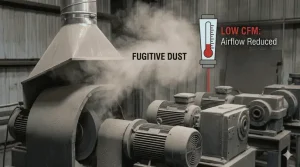
Particulates (dust, fly ash): Can physically block catalyst pores, reducing active surface area and increasing pressure drop.
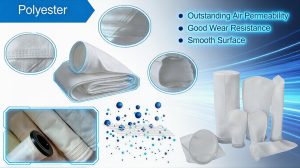
Effective flue gas pretreatment—such as electrostatic precipitators or bag filters—helps reduce catalyst fouling and prolong service life.
3. Ammonia Injection Control
SCR systems require a reducing agent, typically ammonia (NH₃), to convert NOx into nitrogen and water:
-
Correct dosing: Stoichiometric or slightly excess ammonia ensures high NOx removal without producing ammonia slip.
-
Poor distribution: Uneven ammonia injection can create hot spots, low-activity zones, or over-injection areas.
-
Monitoring: Online analyzers and control systems are essential for maintaining precise ammonia-to-NOx ratios.
Proper ammonia control maximizes efficiency while minimizing operating risks.
4. Catalyst Design and Characteristics
Catalyst properties directly influence NOx removal:
-
Type: Vanadium-based, tungsten-vanadium, or zeolite-based catalysts each have unique activity and temperature profiles.
-
Surface area: Higher surface area increases contact between NOx and ammonia.
-
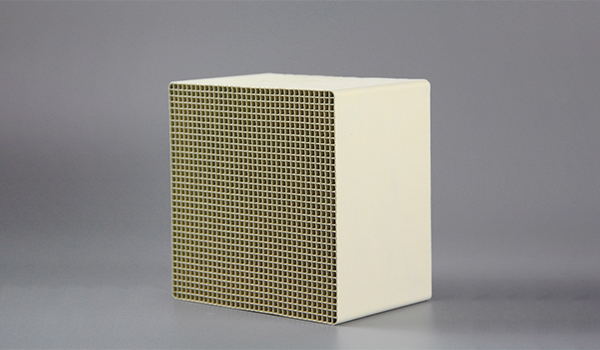
Channel geometry: Optimized honeycomb structure improves flow uniformity and minimizes dust deposition.
-
Durability: Catalysts designed for high-dust or high-sulfur environments resist poisoning and mechanical wear.
Selecting a catalyst suited to site-specific conditions is essential for long-term performance.
5. Reactor Design and Flow Distribution
Even the best catalyst cannot perform well if flue gas flow is uneven:
-
Poor flow distribution leads to bypassing, low-contact zones, or localized temperature variations.
-
SCR reactors are often equipped with flow straighteners, distribution grids, or optimized inlet designs to ensure uniform gas velocity.
-
Adequate reactor sizing is also critical: insufficient residence time reduces NOx conversion efficiency.
6. Maintenance and Operational Practices
Long-term NOx removal depends on disciplined operation:
-
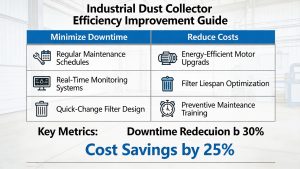
Regular inspection: Check for catalyst fouling, erosion, or mechanical damage.
-
Soot blowing and cleaning: Prevents pore blockage in high-dust environments.
-
Performance monitoring: Track NOx reduction efficiency, pressure drop, and ammonia slip to anticipate degradation.
Proactive maintenance ensures catalysts operate close to their design efficiency for longer periods.
Conclusion
NOx removal efficiency in industrial SCR systems is influenced by a combination of flue gas conditions, ammonia injection control, catalyst design, reactor engineering, and operational discipline. Operators who carefully manage these factors can achieve:
-
Consistent, high NOx reduction
-
Compliance with tightening environmental regulations
-
Extended catalyst lifespan and lower lifecycle costs
Understanding and optimizing these key factors is essential for reliable, cost-effective NOx control in industrial facilities.