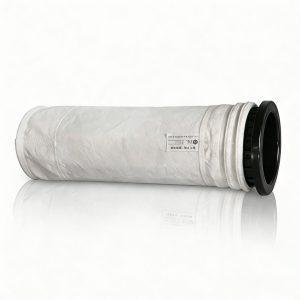
In industrial operations, dust control is crucial for equipment safety and production efficiency. Whether in milling, drying, blending, packaging, or material conveying, managing dust is an essential part of the process. This article explores how advanced filter bag technology and smart monitoring systems can boost dust collector performance, reduce downtime, and lower operational costs.
1. Importance of Dust Collectors and Impact of Downtime
Baghouse dust collectors are the most commonly used equipment for industrial dust control. They are robust machines with low failure rates. However, when a disruption occurs, repair costs can be high, and production interruptions can significantly affect overall efficiency.
Downtime can be categorized as:
- Planned Downtime: Maintenance is scheduled in advance, minimizing production interruptions and keeping costs predictable.
- Unplanned Downtime: Equipment failures cause sudden production halts, rush shipping for replacement parts, and higher, unpredictable costs.
Key takeaway: Preventive maintenance is far more cost-effective than emergency repairs.
2. Extend Filter Life with High-Efficiency Pleated Bags
Traditional polyester felt bags can wear quickly when exposed to abrasive dusts, and replacing them is time-consuming. Pleated filter bags combine the flexibility of conventional bags with the durability of modern filter media.
Pleated Filter Bag Benefits:
- Durable Materials: Made from spunbond polyester, ePTFE membrane, or nanofiber materials, resistant to wear and tear.
- High Dust Capture Efficiency: Captures submicron particles, reduces emissions, and extends filter life.
- Easy Installation: One-piece design eliminates the need to remove support cages, saving time.
- Energy Savings: Increased filtration area lowers pressure drop, reducing fan energy consumption.
- Lower Downtime Costs: Faster filter changes mean less labor and production loss.
Pleated bags can extend filter life 2-3 times compared to traditional felt bags while reducing labor and energy costs.
3. Smart Monitoring: Real-Time Maintenance
Even with high-quality filters, hidden issues such as worn valves or clogged bags can cause failures. Connected monitoring systems provide real-time data from dust collectors, analyze it in the cloud, and alert maintenance teams before problems escalate.
Smart Monitoring Advantages:
- Detect issues early, reducing emergency repair time.
- Support remote monitoring across multiple collectors and facilities.
- Enable data-driven decision making to quickly identify causes of poor filter performance.
- Extend filter and equipment lifespan, reducing maintenance costs.
Combined with pleated filter bags, smart monitoring ensures higher dust collector efficiency and production reliability.
4. Conclusion
Effective dust management directly affects production efficiency and operating costs in modern industrial facilities. By using:
- High-efficiency, durable pleated filter bags
- Smart connected monitoring systems
Companies can minimize unplanned downtime, extend filter life, and reduce labor and energy costs. Investing in these technologies is a practical strategy for cost savings, safer operations, and improved production uptime.