
How to Extend Baghouse Filter Life and Improve System Efficiency
- February 28, 2026
- 元辰
- 3:11 pm
In industrial dust collection systems, filter bags are not simple consumables—they are a critical control point for emissions, energy efficiency, and operational stability.
When maintenance is neglected or mismanaged, systems experience rising differential pressure, unstable airflow, and ultimately unplanned downtime.
In contrast, a well-maintained baghouse system can extend filter bag life by up to 3–5 years, while reducing energy consumption and ensuring consistent compliance with emission standards.
This guide explains not only how dust collection bags work, but more importantly, how to maintain them properly under real industrial conditions.
How Dust Collection Bags Work in a Baghouse System
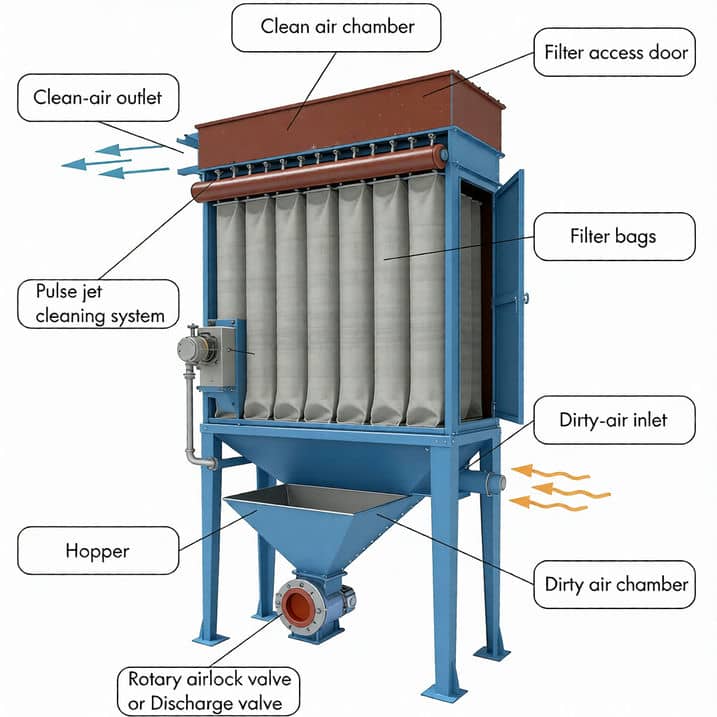
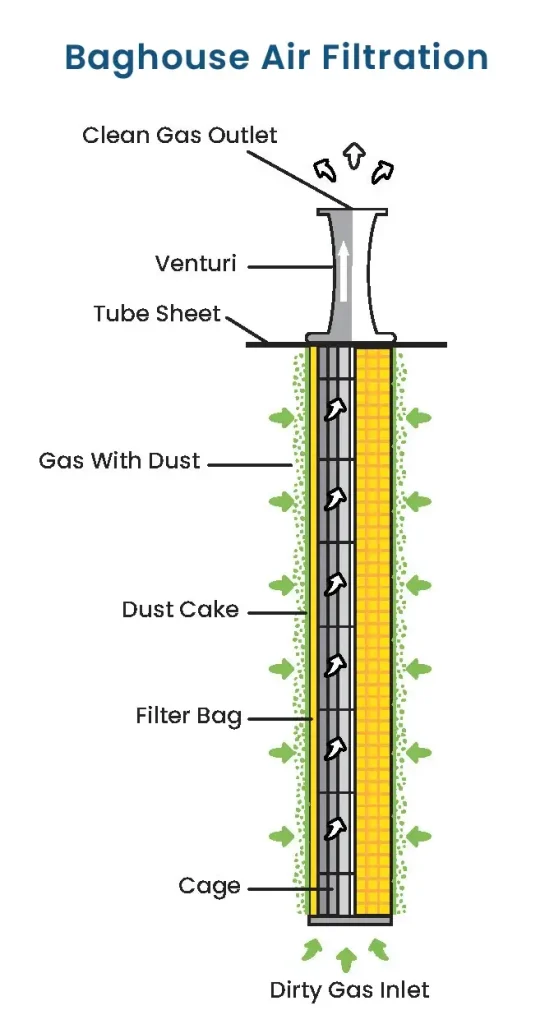
Dust collection bags operate based on a principle known as surface filtration. As dust-laden gas enters the baghouse, particles are captured on the outer surface of the filter media while clean air passes through.
Over time, a layer of dust—known as the dust cake—forms on the surface. This layer is not a problem; in fact, it enhances filtration efficiency by capturing finer particles that would otherwise pass through the fabric.
However, as the dust cake thickens, airflow resistance increases. To maintain system performance, cleaning mechanisms such as pulse-jet or reverse-air systems periodically remove part of this layer. The goal is not to completely clean the bag, but to maintain a stable balance between filtration efficiency and airflow resistance.
Why Filter Bag Maintenance Matters More Than You Think
Many operators treat filter bags as replaceable parts rather than performance drivers. This mindset leads to frequent failures and unnecessary costs.
In reality, poor maintenance creates a chain reaction. As dust accumulates or cleaning becomes inefficient, differential pressure rises. This forces fans to work harder, increasing energy consumption. At the same time, uneven dust loading can lead to localized wear, bag deformation, and eventually leakage.
Proper maintenance breaks this cycle. It stabilizes airflow, reduces mechanical stress on the bags, and ensures the system operates within its optimal range.
The Role of Filter Media in Maintenance Strategy
Not all filter bags behave the same, and maintenance strategies must reflect the characteristics of the filter media.
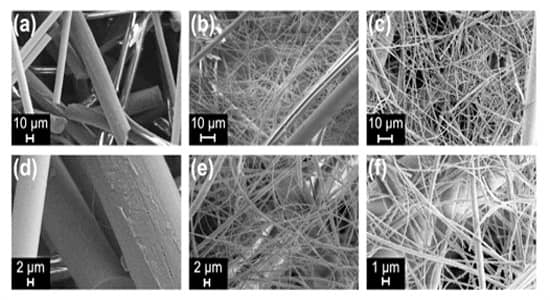
Polyester, for example, is widely used due to its cost-effectiveness, but it is sensitive to high temperatures and chemical exposure. Aramid (Nomex) performs well in elevated temperatures but still requires protection from sudden thermal spikes. PTFE membranes offer excellent chemical resistance and easier dust release, which reduces cleaning frequency but requires careful handling to avoid surface damage. Fiberglass can withstand very high temperatures, yet its brittleness demands gentler cleaning methods.
The key point is simple: maintenance begins with correct material selection. If the media is mismatched to operating conditions, no maintenance strategy can compensate for it.
Optimizing Cleaning: The Most Overlooked Performance Factor
Cleaning is where most baghouse systems either succeed or fail.
In many installations, cleaning systems are set to operate on fixed time intervals. While simple, this approach often leads to over-cleaning, which gradually weakens the filter media through repeated mechanical stress. Fibers become fatigued, and the bag loses structural integrity long before its expected lifespan.
A more effective approach is clean-on-demand control, where cleaning is triggered based on differential pressure. This ensures that cleaning only occurs when necessary, preserving the dust cake structure while preventing excessive buildup.
Proper adjustment of pulse pressure, duration, and frequency is critical. Even small misconfigurations can significantly impact both bag life and system efficiency.
Identifying and Solving Common Filter Bag Problems
Most filter bag failures follow predictable patterns, and recognizing them early can prevent costly shutdowns.
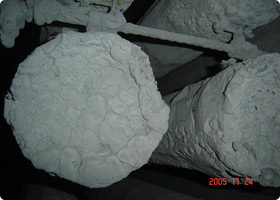
Blinding occurs when fine particles or sticky substances penetrate deep into the filter media, blocking airflow. This is often caused by moisture, oil contamination, or improper cleaning intensity. Addressing it requires both material solutions, such as membrane coatings, and process control adjustments.
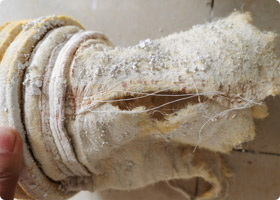
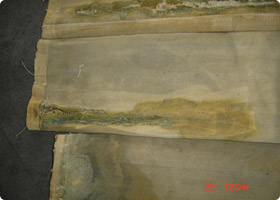
Mechanical damage typically appears as tears or abrasion marks, often caused by misaligned cages, sharp edges, or excessive dust velocity. These issues are rarely caused by the bag itself, but rather by surrounding components.
A sustained increase in differential pressure is another warning sign. It usually indicates a combination of dust buildup, cleaning inefficiency, or airflow imbalance. Ignoring it not only reduces performance but also accelerates long-term damage.
Installation Quality: A Hidden but Critical Factor
Even high-quality filter bags can fail prematurely if installed incorrectly.
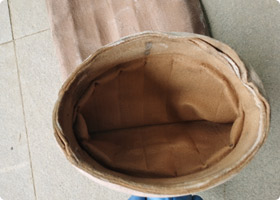
Improper sealing at the tube sheet allows dust to bypass the filtration system, leading to emissions and contamination. Misaligned cages can create uneven stress points, causing abrasion and early failure. Wrinkled or twisted bags disrupt airflow distribution, reducing filtration efficiency.
Installation should be treated as a precision task, not a routine procedure. Small details at this stage often determine whether a filter bag lasts months or years.
Industry-Specific Considerations for Maintenance
Different industries impose very different demands on dust collection systems.
In cement and steel plants, high dust loading and abrasive particles require durable materials and careful airflow control. In food processing, oily and sticky dusts demand anti-adhesive surfaces and gentler cleaning cycles. Chemical industries introduce corrosive gases that necessitate chemically resistant media and strict sealing integrity.
Understanding the nature of the dust is essential. There is no universal maintenance strategy—only condition-based optimization.
Advanced Strategies to Maximize Filter Bag Lifespan
Modern dust collection systems are increasingly adopting advanced technologies to improve reliability and reduce maintenance costs.
Nanofiber filter media enhances surface filtration while maintaining low pressure drop. Real-time monitoring systems track differential pressure and airflow trends, allowing operators to predict issues before they escalate. Some systems now integrate RFID tracking for individual filter bags, enabling precise maintenance records and lifecycle management.
These innovations shift maintenance from reactive to predictive, significantly improving system uptime and cost efficiency.
Final Thoughts: Maintenance Is a System-Level Strategy
Dust collection bag maintenance is not about reacting to failures—it is about controlling the entire filtration process.
From material selection and system design to cleaning optimization and real-time monitoring, every factor contributes to overall performance. When these elements are aligned, filter bags last longer, systems run more efficiently, and operational risks are minimized.
If your current system experiences frequent bag failures, the solution is rarely just replacing the bags. The real opportunity lies in understanding and optimizing the system as a whole.