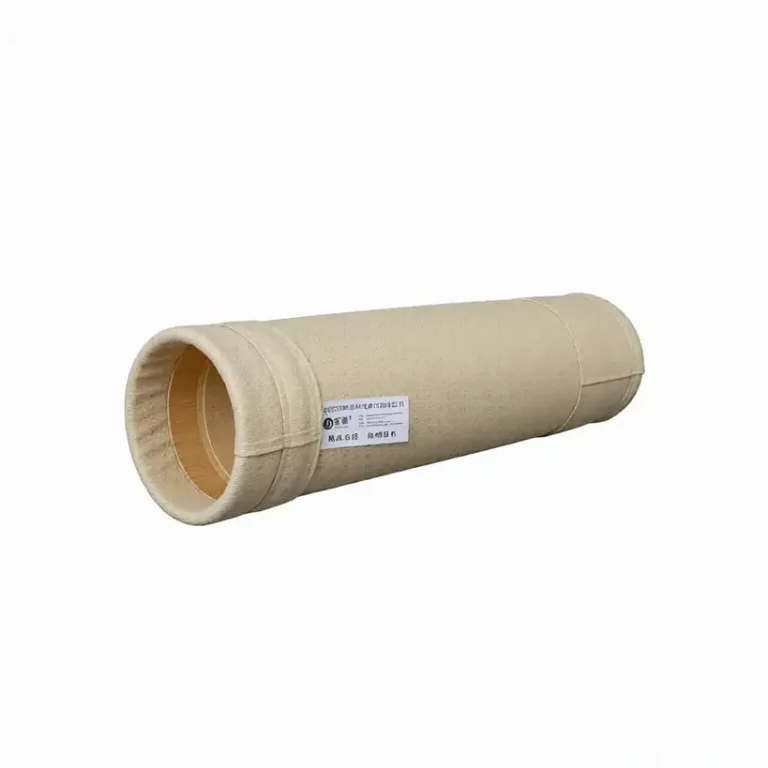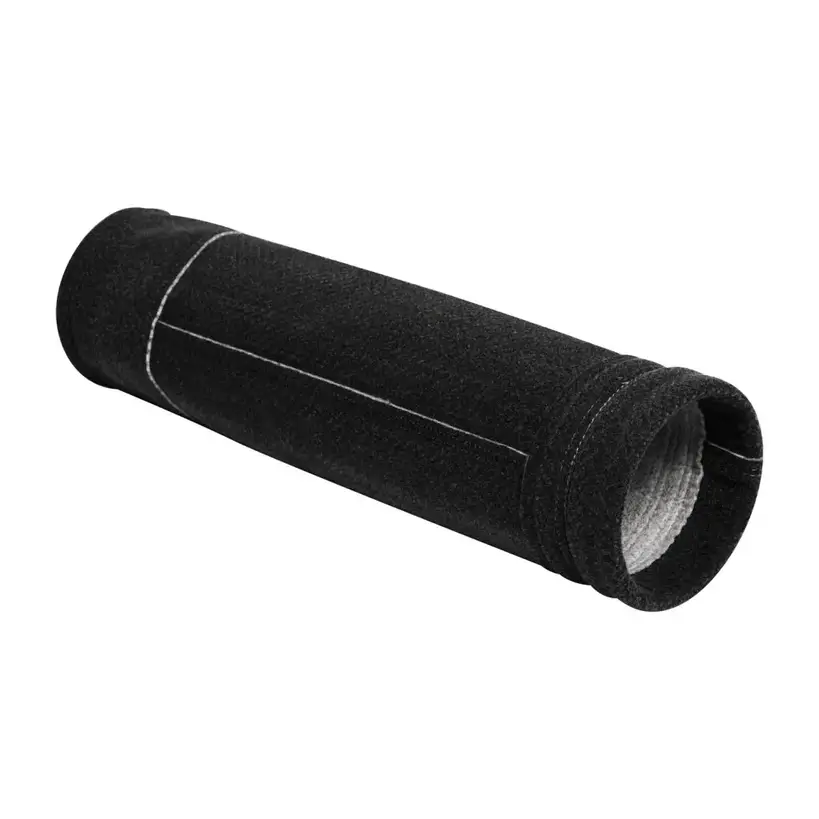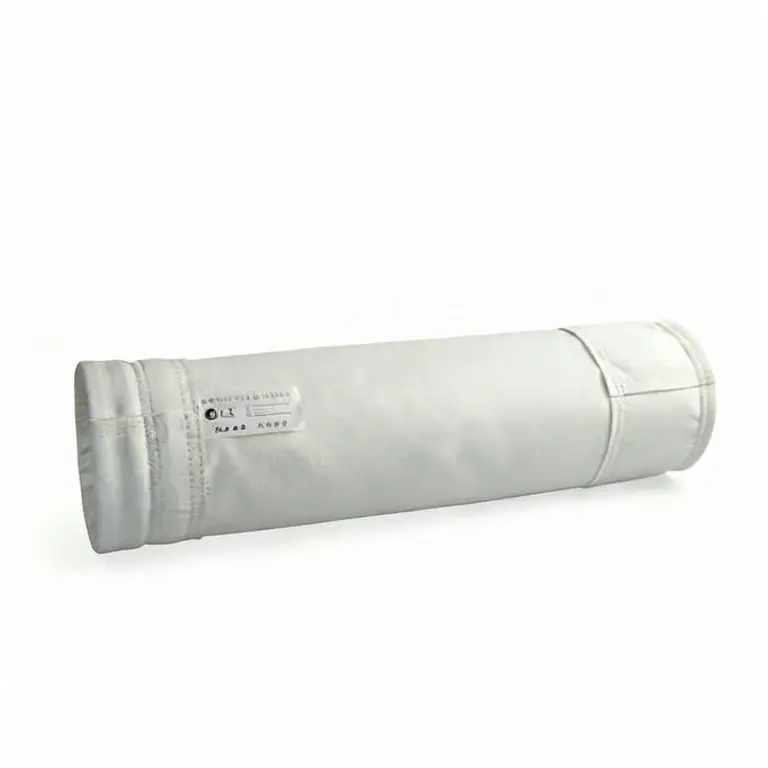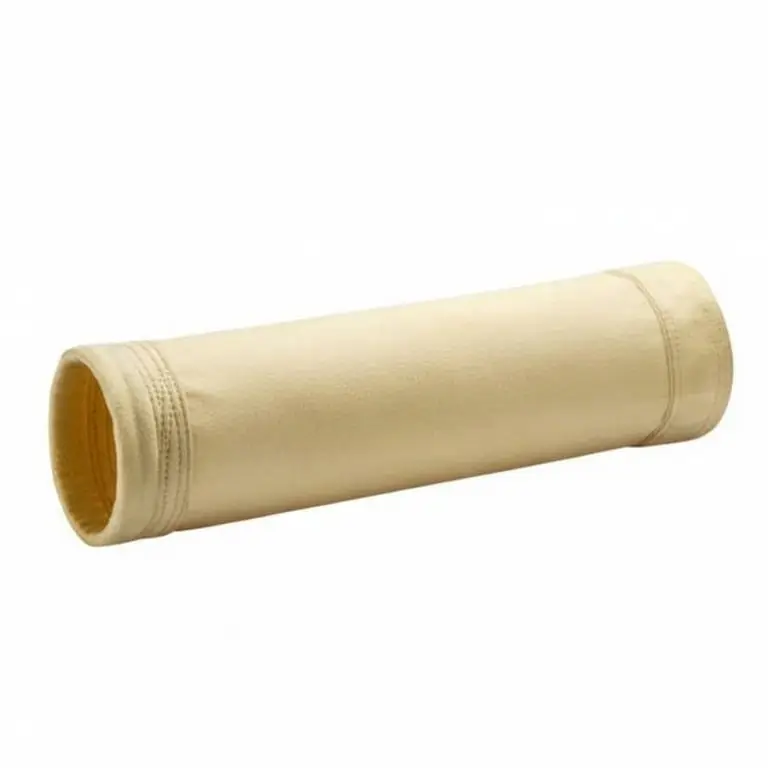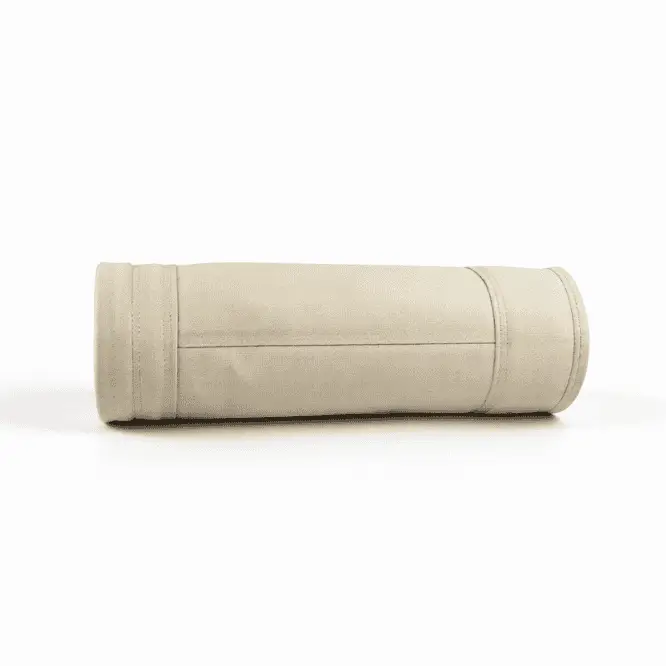
PTFE Filter Bags for High-Temperature and Corrosive Baghouses
Leading Dust Filter Bag Manufacturers & Suppliers in China
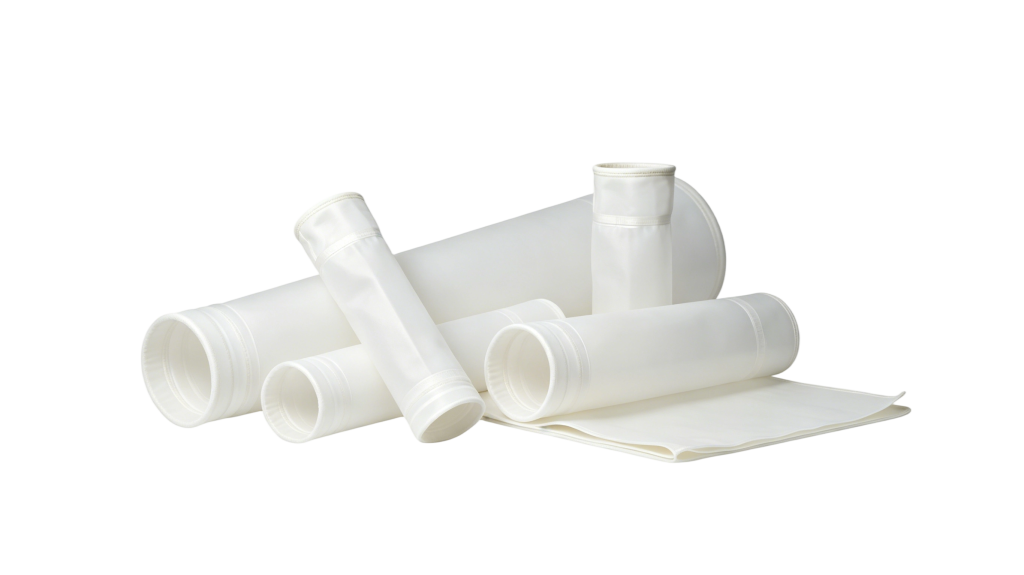
PRODUCT DESCRIPTION
When Should You Consider PTFE Filter Bags?
PTFE can be a practical candidate when a baghouse combines high temperature with moisture, oxidising conditions or chemically aggressive gas components. It is also used where a membrane surface is required to keep fine particulate mainly at the media surface and support dust release during pulse cleaning.
- High-temperature service: the current YuanChen PTFE membrane-media data sheet lists a continuous temperature of 260°C and a short-term temperature of 280°C. The allowable duration of an excursion must be confirmed for the order.
- Humid or hydrolysis-prone conditions: PTFE has strong resistance to moist heat, but condensation, sticky dust and acid-dew-point operation must still be addressed at the system level.
- Corrosive gas streams: PTFE offers broad chemical compatibility compared with many common fibres. Suitability still depends on the actual chemicals, concentrations, temperature and mechanical conditions.
- Fine or difficult-to-release dust: an ePTFE membrane can support surface filtration and dust-cake release when the media, bag construction and cleaning settings are correctly matched.
PTFE is not automatically the lowest-cost or longest-life choice. For milder conditions, PPS, aramid, polyester, acrylic, P84 or fibreglass-based options may provide a better technical and commercial fit.
Full PTFE Felt and ePTFE Membrane Are Not the Same Specification
Buyers often use “PTFE filter bag” to describe several different constructions. These should be separated before quotations are compared:
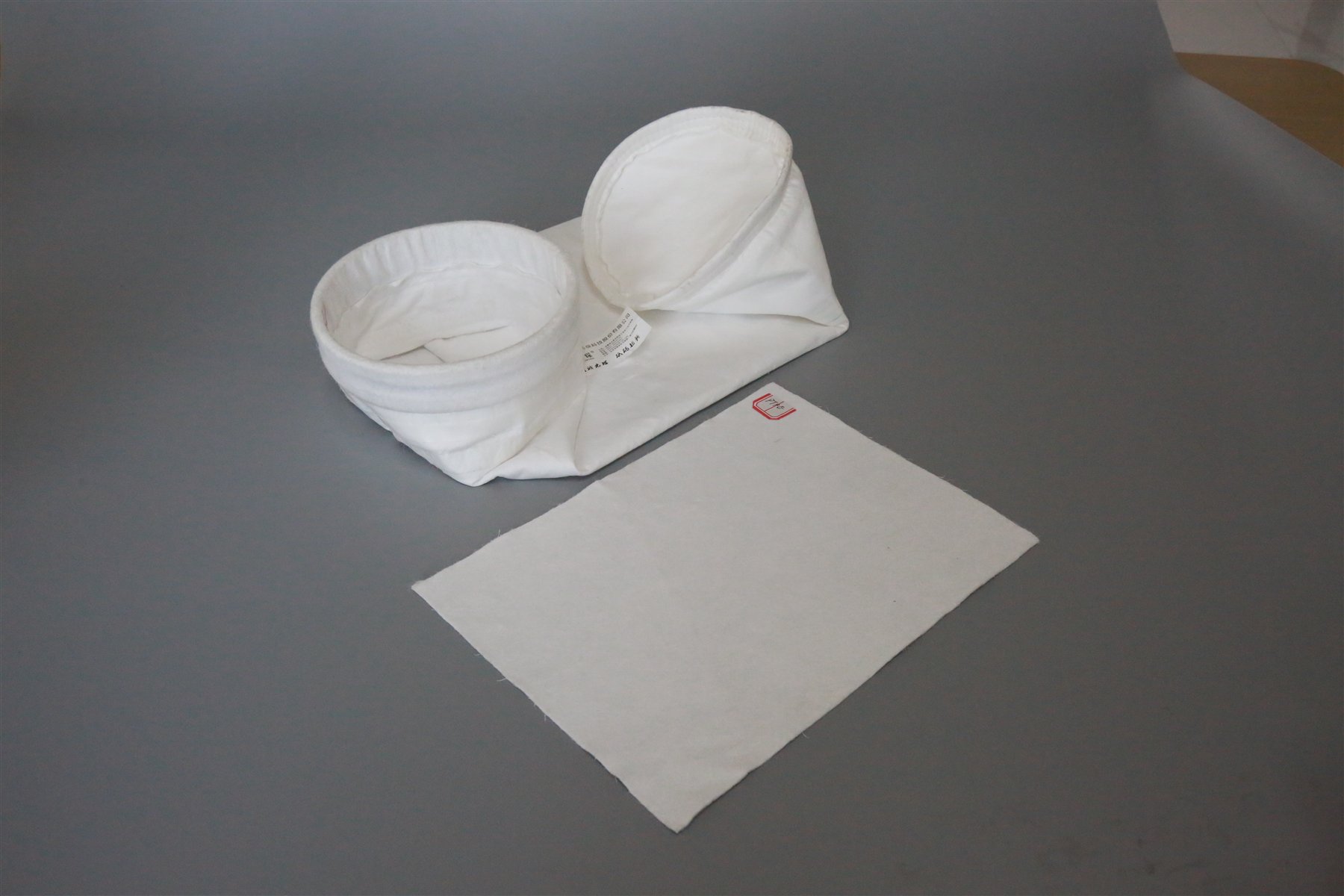
- Full PTFE felt: the fibre and supporting scrim are PTFE.
- PTFE felt with an ePTFE membrane: a PTFE felt/scrim structure includes an expanded-PTFE membrane on the filtration surface.
- ePTFE membrane on another substrate: the membrane is PTFE, but the supporting felt may be PPS, fibreglass, aramid or another material.
- PTFE finish or coating: a surface treatment is not equivalent to a PTFE membrane or full-PTFE felt.
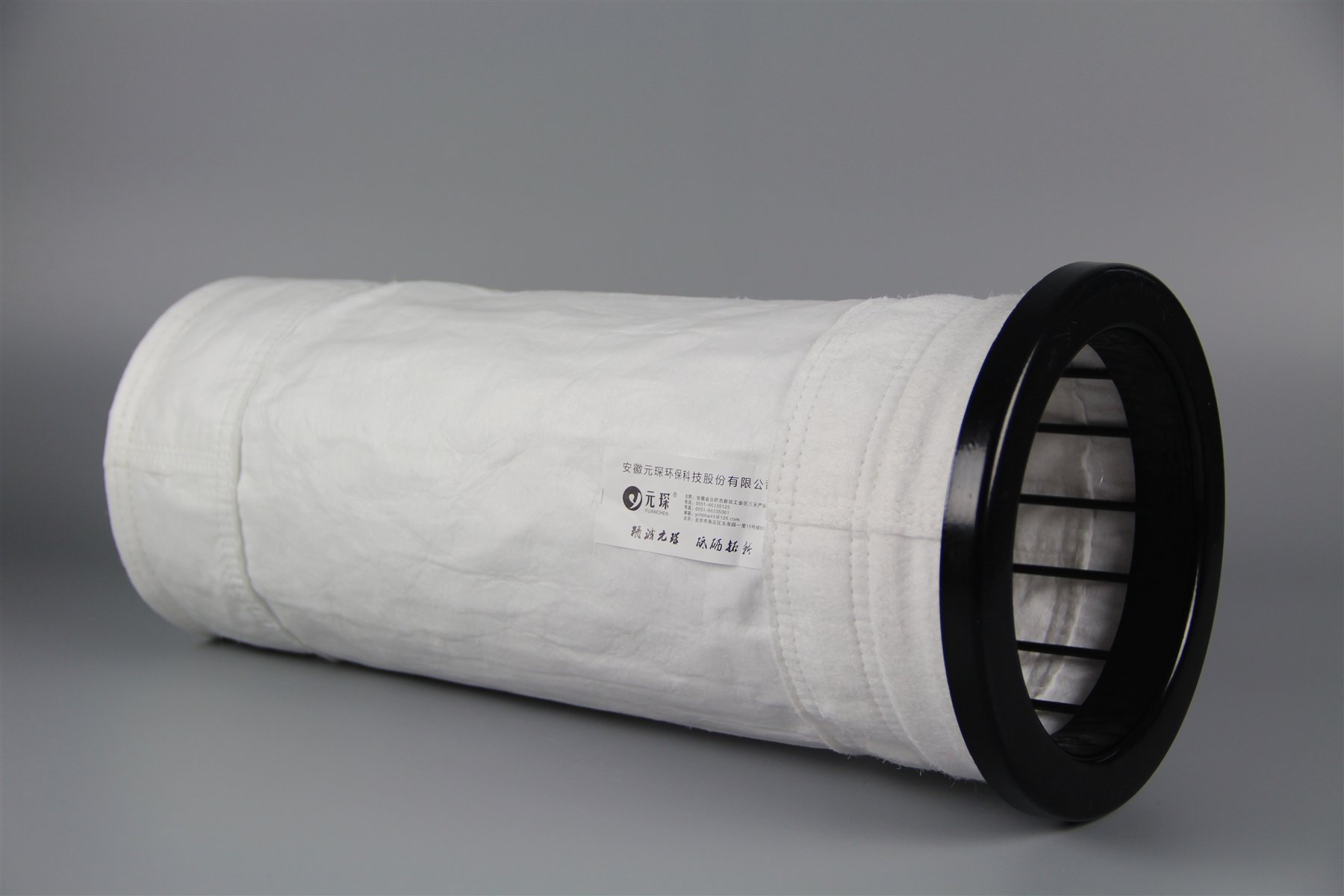
The construction affects temperature capability, chemical compatibility, air permeability, cleaning behaviour, mechanical strength and price. A supplier quotation should name the fibre, scrim, membrane or finish, sewing thread and all hardware—not only the word “PTFE.”
What Performance Can PTFE Media Support?
Thermal and chemical margin for demanding gas streams
PTFE is widely considered when high temperature is combined with oxidation, moisture or corrosive components. That broader operating window can provide useful design margin, but no filter medium is immune to every chemical at every concentration and temperature. Mechanical abrasion, flex fatigue, poor cage fit, spark exposure and condensation can still cause early failure.
Surface filtration with an ePTFE membrane
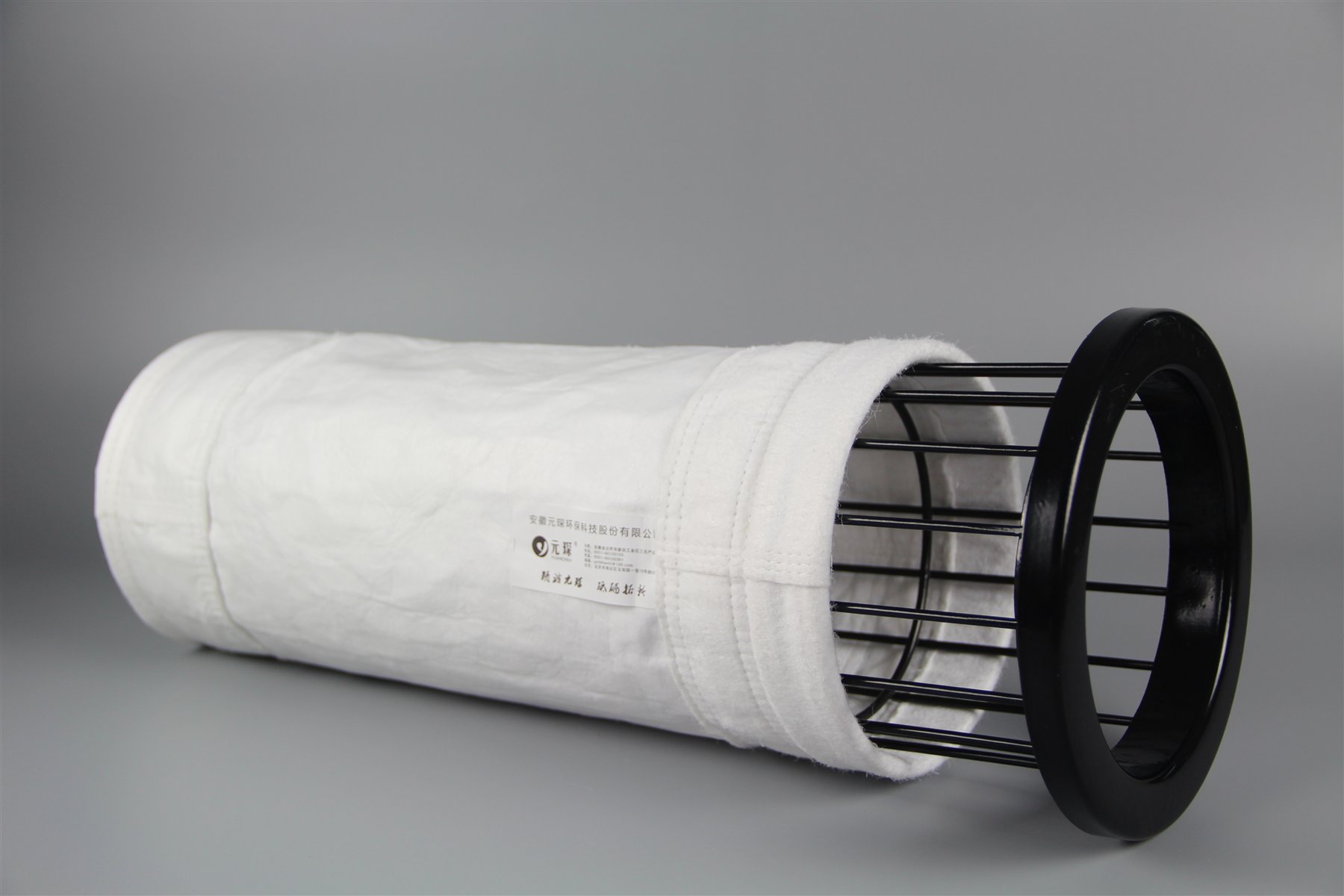
An ePTFE membrane is a distinct surface layer. Its purpose is to keep more particulate at the filtration surface instead of allowing deep penetration into the felt. In a correctly designed and operated baghouse, this can support dust release and more stable differential pressure. Performance depends on the dust, air-to-cloth ratio, pulse-cleaning energy, cage condition, seams and installation—not only the membrane.
Construction matched to the collector
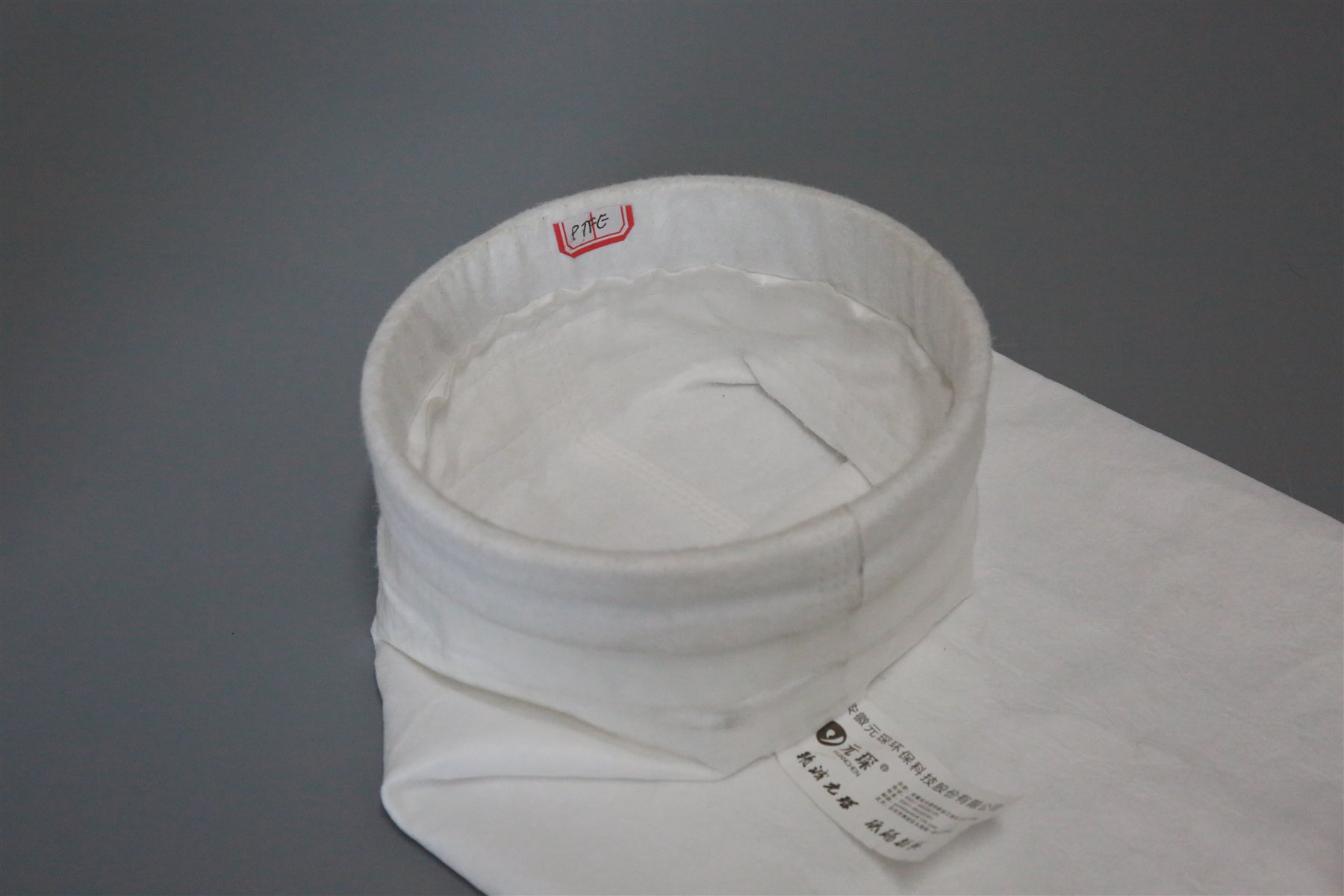
Bag diameter, length, top and bottom style, cuff, snap band, anti-collapse rings, seam, thread and cage clearance are selected for the collector. A chemically resistant medium can still fail prematurely if the bag rubs against an undersized or damaged cage, if the cuff leaks, or if cleaning energy is excessive.
Typical PTFE Filter Bag Applications
Application names are a starting point, not a substitute for operating data. PTFE constructions are commonly evaluated for:
- waste-to-energy and industrial incineration baghouses;
- chemical and pigment production;
- metals, smelting and carbon-black processes;
- high-temperature or corrosive sections of cement and mineral-processing systems;
- boiler flue gas where moisture, oxidation or acidic components limit other media.
PTFE fibre does not by itself guarantee an outlet concentration such as 5 mg/Nm³. Outlet emissions are a system result affected by the membrane, seams, bag fit, installation, tubesheet sealing, baghouse condition, dust properties, cleaning settings and test method.
Information Required to Select and Quote PTFE Filter Bags
Providing complete operating data helps us compare PTFE with other candidate media and prevents quotations that look similar but use different constructions.
- Temperature: normal, minimum and maximum gas temperature; frequency and duration of excursions.
- Gas chemistry: moisture, oxygen and known acidic, alkaline, oxidising or solvent components, including concentrations when available.
- Dew point and condensation history: start-up, shutdown and cold-zone conditions.
- Dust: composition, particle size, loading, abrasiveness, stickiness and combustibility.
- Baghouse data: collector type, gas flow, filtration area, air-to-cloth ratio, differential pressure and cleaning method.
- Bag and cage dimensions: drawings or measured diameter, length, top/bottom style, cage design and clearance.
- Current performance: existing media, service time, failure symptoms, outlet emissions and cleaning frequency.
- Commercial scope: quantity, delivery location, required documentation and applicable inspection or test standards.
Why Work With YuanChen?
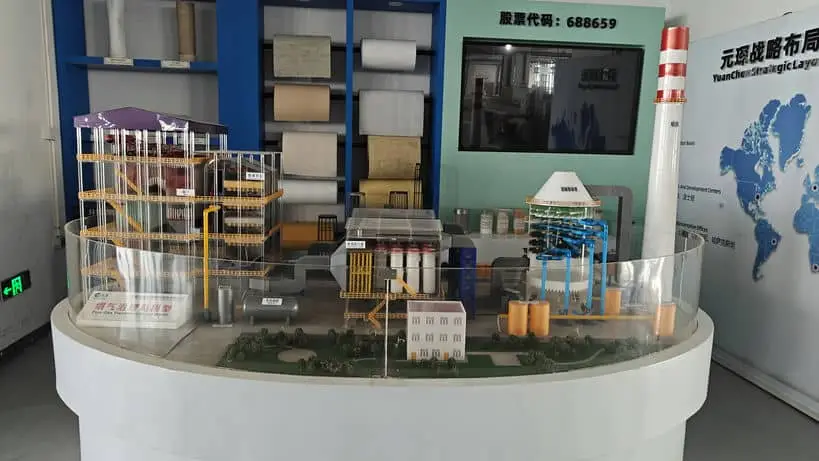
YuanChen manufactures industrial filter bags and SCR denitration catalysts for industrial flue-gas control. The company has operated since 2005 and is listed on the Shanghai Stock Exchange STAR Market under stock code 688659. In 2025, YuanChen reported production of 4,274,906.66 m² of filter bags.
For a PTFE bag inquiry, our technical team can review media construction, dimensions and the operating data supplied by the customer. Final recommendations and guaranteed values are defined in the approved technical and commercial documents for the order.
Frequently Asked Questions
What does PTFE mean?
PTFE means polytetrafluoroethylene. It is not PPS. PPS means polyphenylene sulfide.
What is the difference between a PTFE filter bag and a PTFE membrane filter bag?
A full PTFE filter bag describes the fibre and supporting scrim. A membrane filter bag includes an ePTFE surface membrane, which may be laminated to PTFE or to another backing material. The complete layer structure must be stated in the quotation.
Can YuanChen PTFE filter media operate continuously at 260°C?
The current internal data sheet for the documented PTFE membrane configuration lists 260°C as the continuous operating temperature and 280°C as the short-term temperature. Final suitability depends on the complete operating environment, bag construction and the approved order-specific data sheet.
Are PTFE filter bags resistant to every acid and alkali?
PTFE has broad chemical compatibility, but “resistant to every chemical under all conditions” is not a responsible specification. Chemical type, concentration, temperature, mixtures and mechanical conditions must be reviewed.
Do PTFE filter bags guarantee emissions below 5 mg/Nm³?
No filter fibre can guarantee that result on its own. Emissions depend on the complete baghouse, membrane and seam construction, installation, sealing, dust, cleaning and measurement conditions.
What should I send for a quotation?
Send operating temperatures, gas chemistry, moisture and dew point, dust data, collector and cleaning details, bag/cage drawings, current failure information, quantity and documentation requirements.
Technical References
- Parker BHA Filter Bag Fabric Characteristics — general media-selection guidance.
- Gore: Industrial Baghouse Filter Membrane Construction — distinction between ePTFE membrane and backing material.
- Donaldson Tetratex PTFE Bag Filter guidance — importance of evaluating combined operating conditions.
PRODUCT PARAMENTERS
| Property | YuanChen PTFE membrane media reference value |
|---|---|
| Fibre / supporting scrim | PTFE / PTFE |
| Nominal mass | 800 g/m² |
| Continuous / short-term temperature | 260°C / 280°C; permitted excursion duration to be confirmed |
| Tensile strength | Warp >800; weft >800 N/(5 × 20 cm) |
| Elongation at break | Warp <20%; weft <30% |
| Air permeability | 2–5 m³/(m²·min) |
| Reference filtration velocity | <1.0 m/min |
Data note: Values are transcribed from the current internal PTFE product PDF. The source does not state a revision number or test method. Final values, tolerances and standards must be confirmed in the approved order-specific technical data sheet.