
Filter Bags & Baghouse Solutions for Cement Plants
INDUSTRY OVERVIEW
Dust collection is part of every cement process
From quarry and raw material preparation to kiln firing, clinker cooling, finish grinding and packing, cement plants produce dust under very different operating conditions. The baghouse at each point must handle its own mix of temperature, dust loading, abrasion, moisture and gas chemistry.
A useful filter bag specification connects these process conditions to the media, surface treatment, bag construction and cleaning system. That is the approach behind this page.
What plant teams need to know first
01 · Define operating conditions
Collection point · Temperature · Moisture · Dust
02 · Identify filtration risks
Abrasion · Condensation · Acid gases · Bag failure
03 · Match the filter solution
Fibre · Scrim · Membrane · Finish · Construction
04 · Validate system fit
Airflow · Cleaning · Dimensions · Emission target
CEMENT MANUFACTURING PROCESS
Where filtration challenges appear along the production line
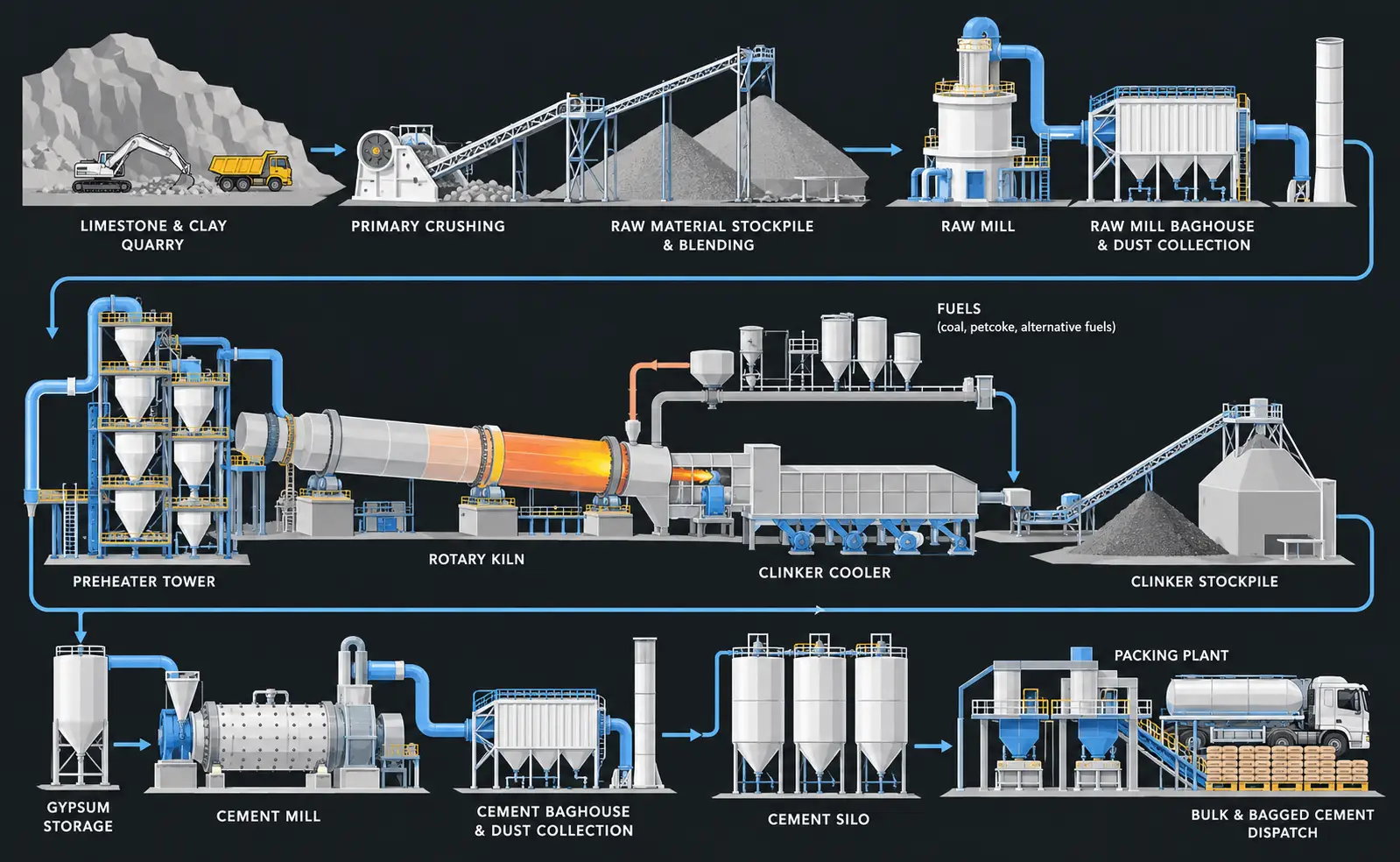
This diagram traces cement production from quarry to packing and marks the raw-mill and cement-mill baghouses. Use it to locate the collection point, then assess temperature, dust, moisture and gas conditions before choosing filter media.
01
Raw materials
Crushing, transfer and raw milling
02
Pyroprocessing
Preheater, kiln tail and kiln head
03
Clinker cooling
High dust loading and abrasive particles
04
Finish & dispatch
Cement mill, silos and packing
What Determines Filter Bag Performance in a Cement Plant?
Dust Capture & Cleaning
Abrasion & Mechanical Fit
Continuous & Peak Temperature
Moisture & Gas Chemistry
Bag Construction
Lifetime Cost
Filter Bag Solutions Along the Cement Production Line
Different process sections expose bags to different temperatures, dust loads, abrasion and gas chemistry.
Raw Crushing & Transfer
Raw Mill & Kiln Tail
Kiln Head & Clinker Cooler
Coal Mill
Cement Mill & Packaging
Silo Vent & Bulk Loading
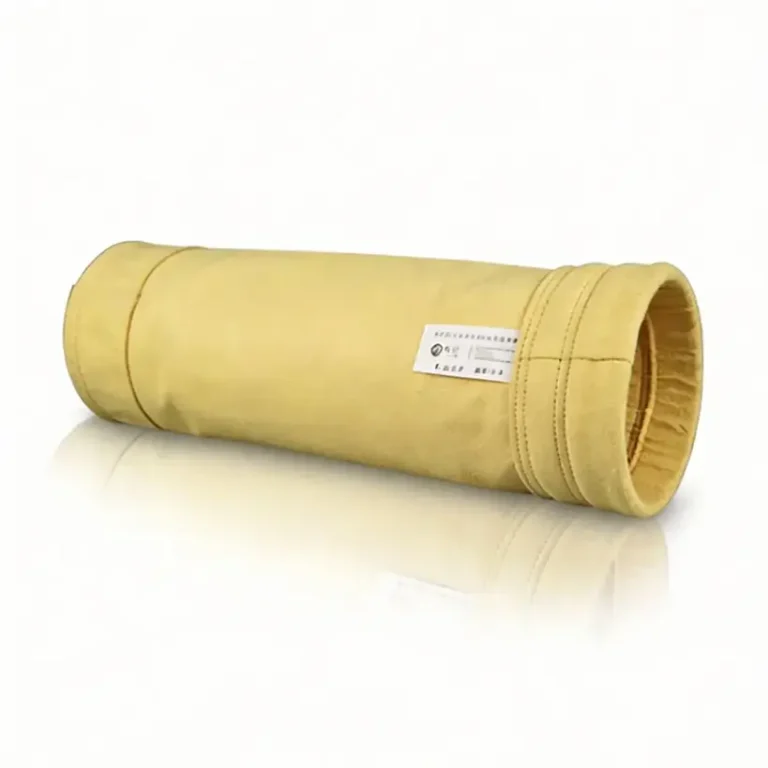
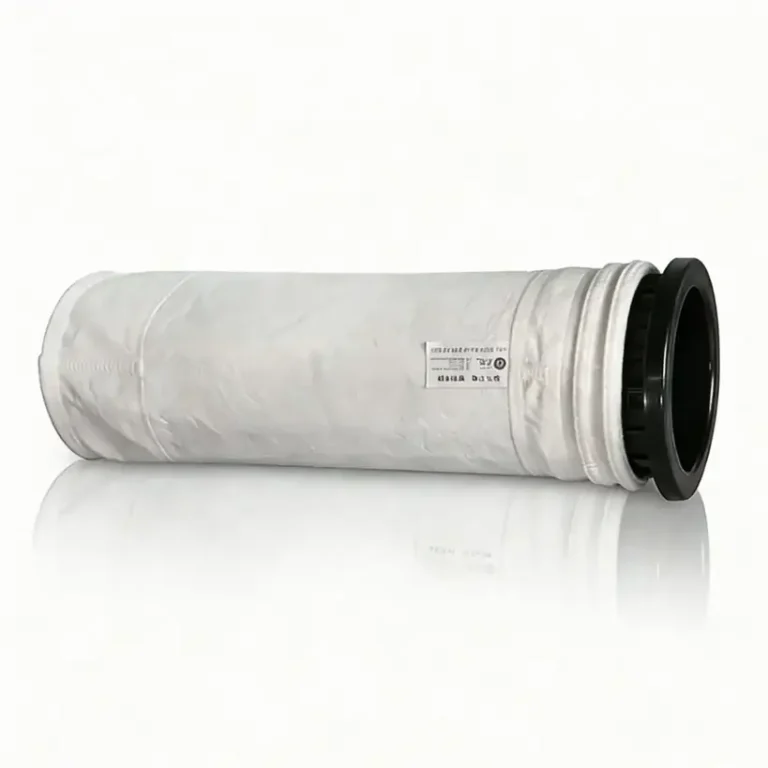
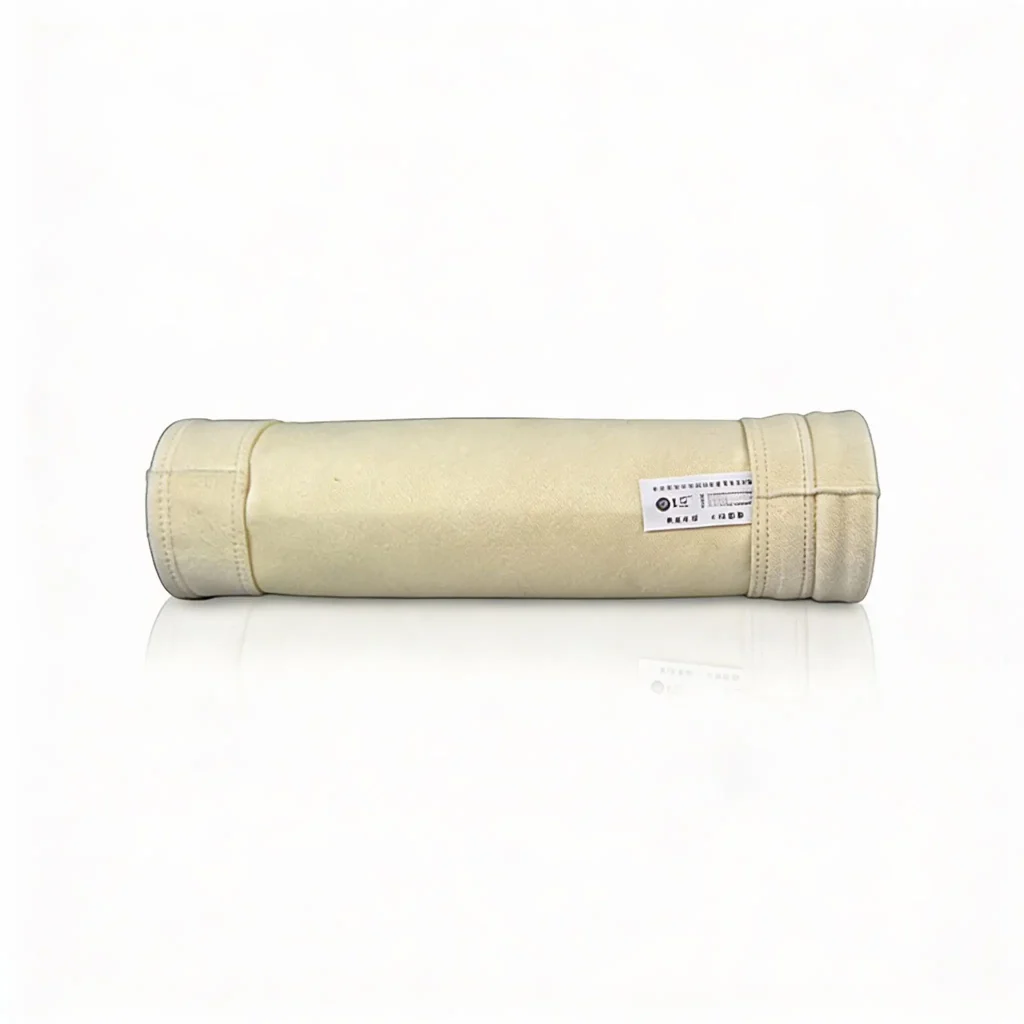
Filter Media to Evaluate
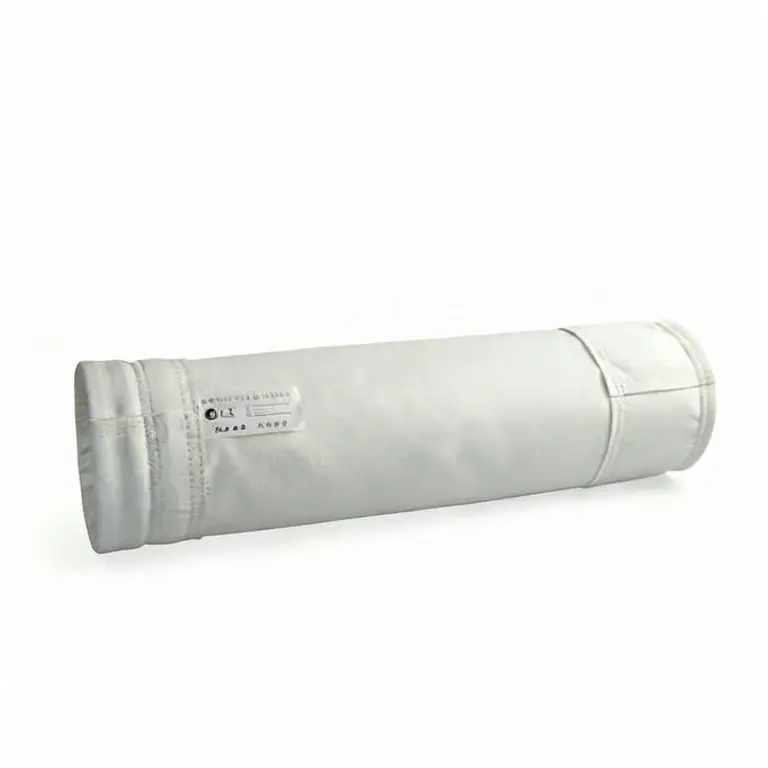
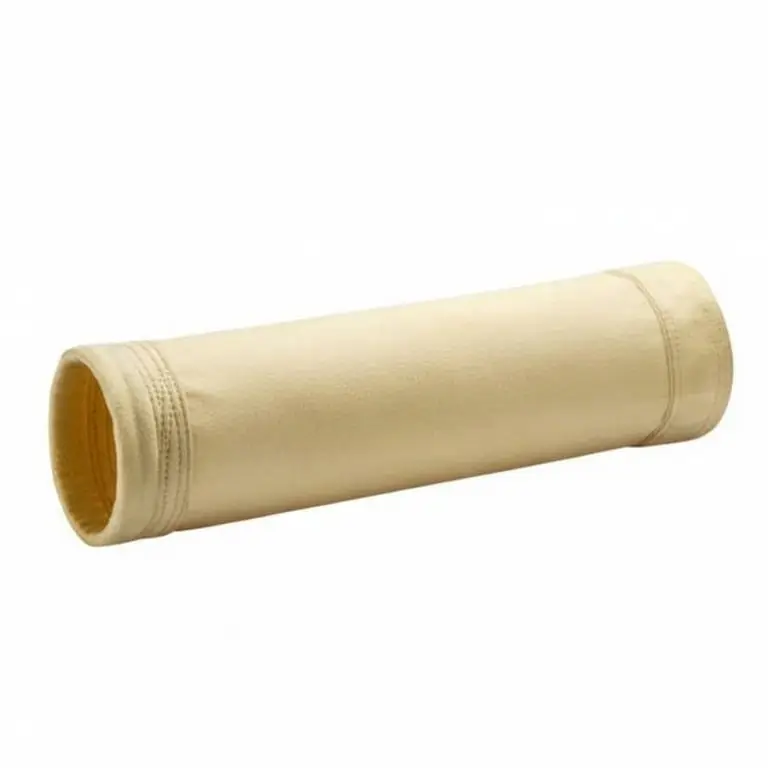
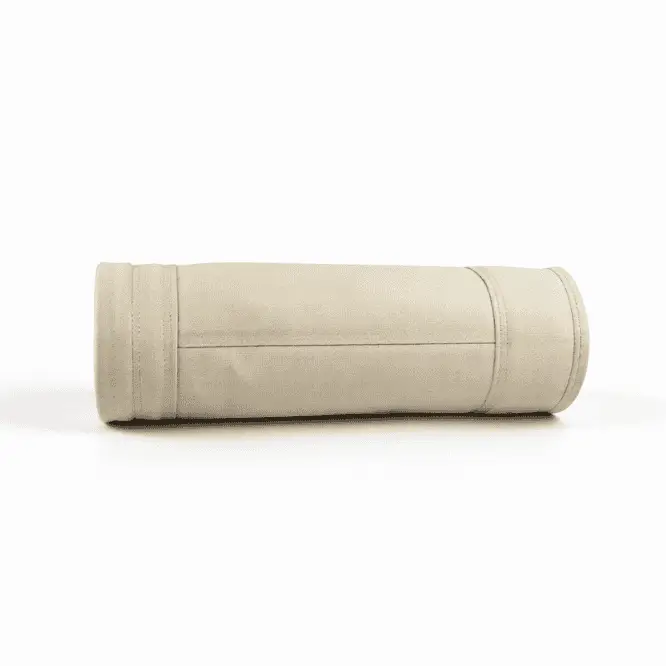
Use these product pages to compare candidate materials. Final selection depends on temperature, gas chemistry, dust properties and the complete baghouse system.
MANUFACTURING & VERIFICATION
Manufacturing capability and project documentation
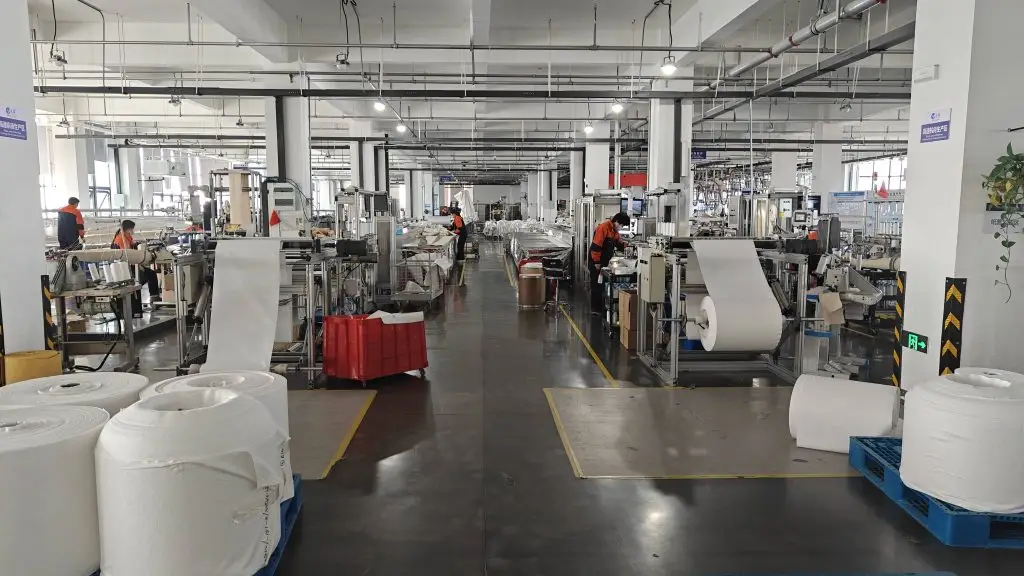
YuanChen has manufactured industrial filtration products since 2005. Our company profile describes a 50,000 m² production base, R&D facilities and ISO 9001 and ISO 14001 management systems.
For a cement plant project, request the proposed media specification, temperature definitions, bag drawing, construction details and relevant test data. Share the used bag and cage photos when diagnosing a short service life.
View our company and manufacturing profileHow We Develop a Cement Filtration Recommendation
1. Review Operating Data
Collect temperature trends, airflow, dust characteristics, gas composition and existing baghouse details.
2. Diagnose Failure Modes
Review used bags, cage wear, condensation, inlet flow and cleaning settings to identify the cause of short life or high pressure drop.
3. Specify the Bag
Document media, finish, dimensions, cuff, bottom and seam construction for approval against equipment drawings.
4. Support Installation
Provide fit and installation guidance, then use operating feedback to refine future replacements.
CEMENT BAGHOUSE FAQ
Questions to resolve before ordering replacement bags
Which filter media should a cement kiln use?
There is no single plant-wide answer. Compare continuous and peak gas temperature, moisture, acid gases, dust loading, abrasion and cleaning method for the exact kiln or raw-mill collection point.
Why does baghouse pressure drop keep rising?
Possible causes include condensation, blinded media, excessive dust loading, poor pulse cleaning and air-to-cloth conditions. Inspect operating trends and used bags before changing media.
What information is needed for a reliable quote?
Send the collection point, airflow, gas temperature range, dust and gas composition, cleaning method, current bag material, dimensions, quantity and the problem you need to solve.
Can anti-static bags alone make a coal mill safe?
No. Anti-static media is one component of a system-level combustible-dust assessment. Review the baghouse design, grounding and operating procedures with qualified plant safety personnel.
Send Your Baghouse Data for a Targeted Recommendation
Tell us the collection point, airflow, continuous and peak temperature, dust and gas conditions, cleaning method, current bag material, dimensions and the problem you need to solve. Photos of used bags and cages help our engineers distinguish media issues from mechanical or operating problems.
Request a Technical Review