
Boiler Filter Bags & Baghouse Solutions
INDUSTRY OVERVIEW
Boiler baghouses face more than high temperature
A boiler baghouse captures fly ash after combustion, but its operating window depends on fuel, load, upstream treatment and collector location. The same nominal boiler type can expose bags to very different temperatures, moisture, oxygen and acid gases.
For replacement bags, the useful question is not “Which fabric is best for boilers?” It is “What reaches this baghouse during normal operation, start-up, shutdown and upset conditions?”
Start with the operating envelope
Fuel: coal, biomass, mixed fuel or process by-products, including changes over time.
Gas: normal, minimum and peak temperature; moisture, oxygen and acid gases.
Dust: fly-ash loading, particle properties and likely abrasion points.
Symptoms: emissions, rising pressure drop, blinding, corrosion or short bag life.
BOILER BAGHOUSE WORKING PRINCIPLE
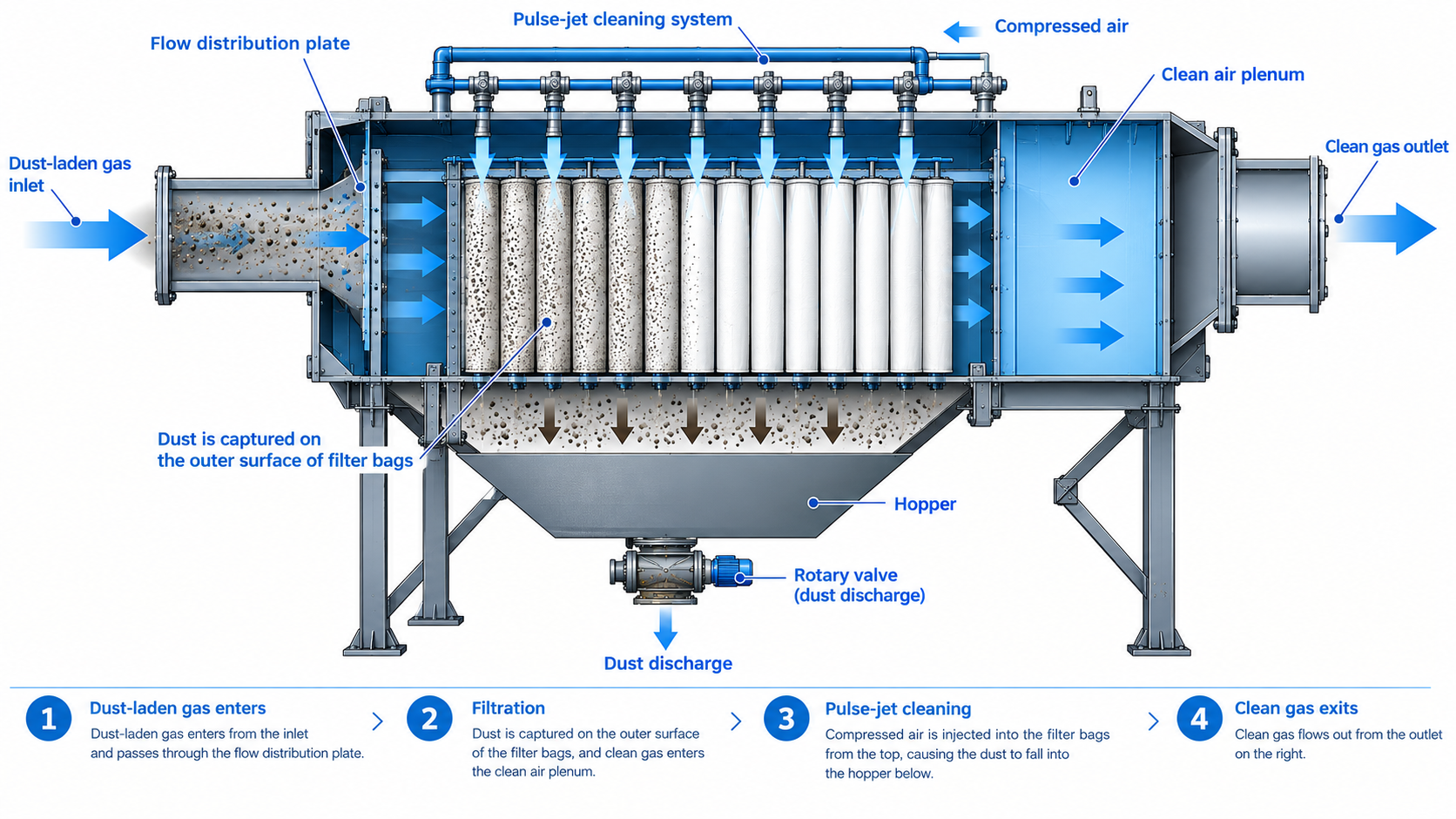
How a boiler baghouse captures fly ash
This illustration shows a typical pulse-jet baghouse, not a fixed flue-gas layout for every boiler. Upstream treatment and collector position vary by plant; use your process drawing to confirm what reaches the bags.
01
Dust-laden gas
Conditioned flue gas carrying fly ash enters the collector.
02
Filtration
Dust forms a cake on the bag surface as gas passes through.
03
Pulse cleaning
Timed or demand-based pulses release dust into the hopper.
04
Outlet & ash removal
Cleaned gas exits while collected ash is discharged.
What shortens boiler filter bag life?
Emissions & Bag Leaks
Fly-Ash Abrasion
Temperature Excursions
Dew Point & Moisture
Gas Chemistry & Oxygen
Pressure Drop & Total Cost
Boiler Applications We Can Evaluate
Boiler fuel and operating mode change the dust and gas conditions. These are application starting points, not one-size-fits-all material prescriptions.
Coal-Fired Boilers
Circulating Fluidized Bed Boilers
Biomass Boilers
Industrial Process Boilers
Waste-Heat Boilers
Retrofits & Load Cycling
Filter Media to Evaluate for Boiler Baghouses
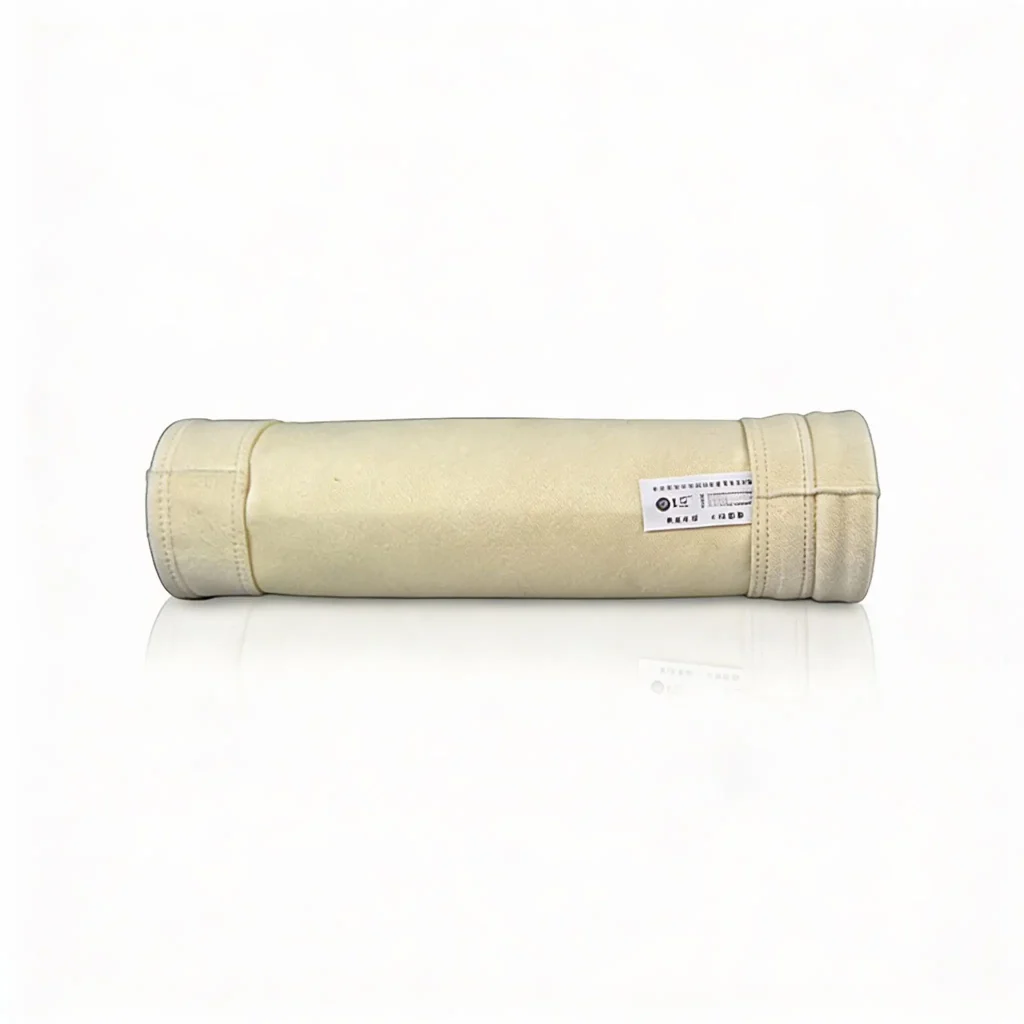
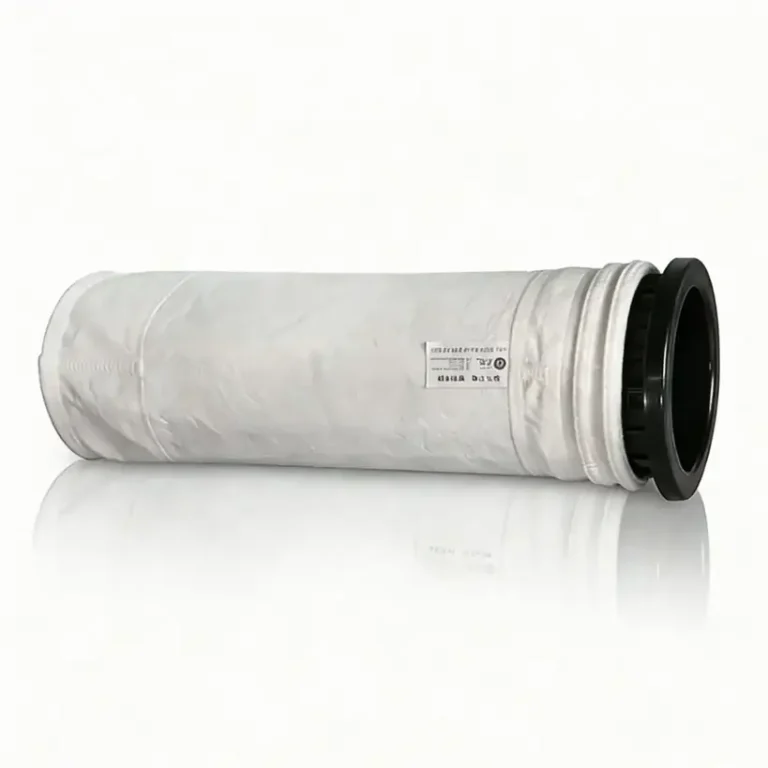
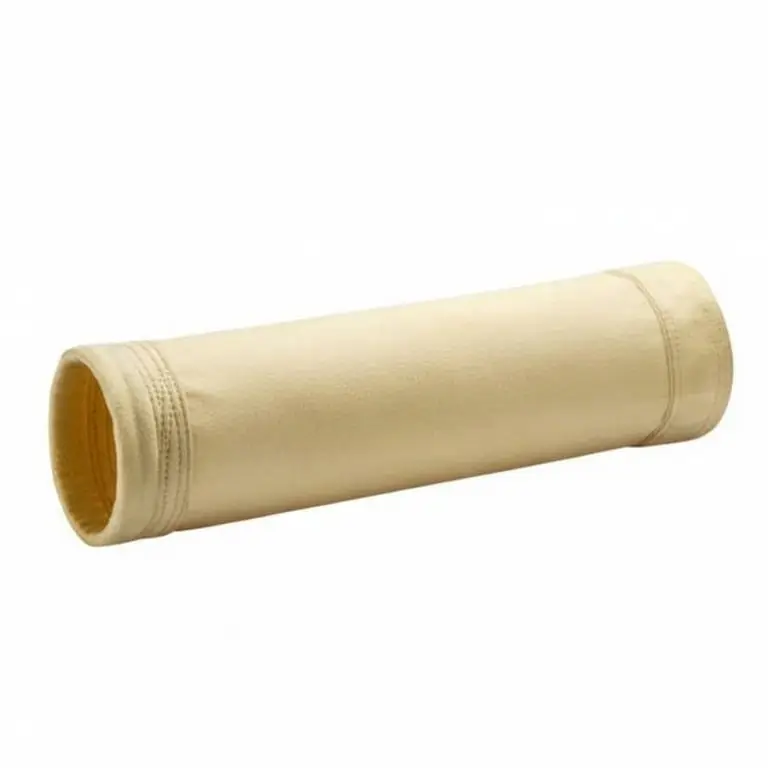
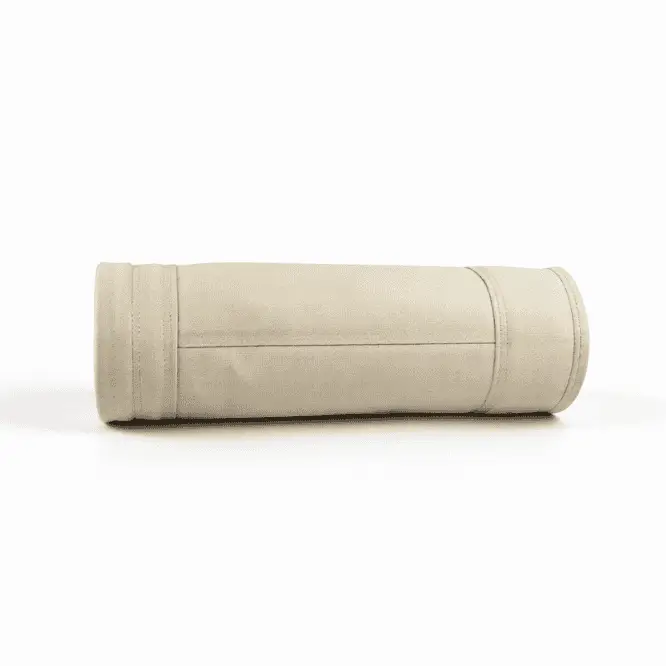
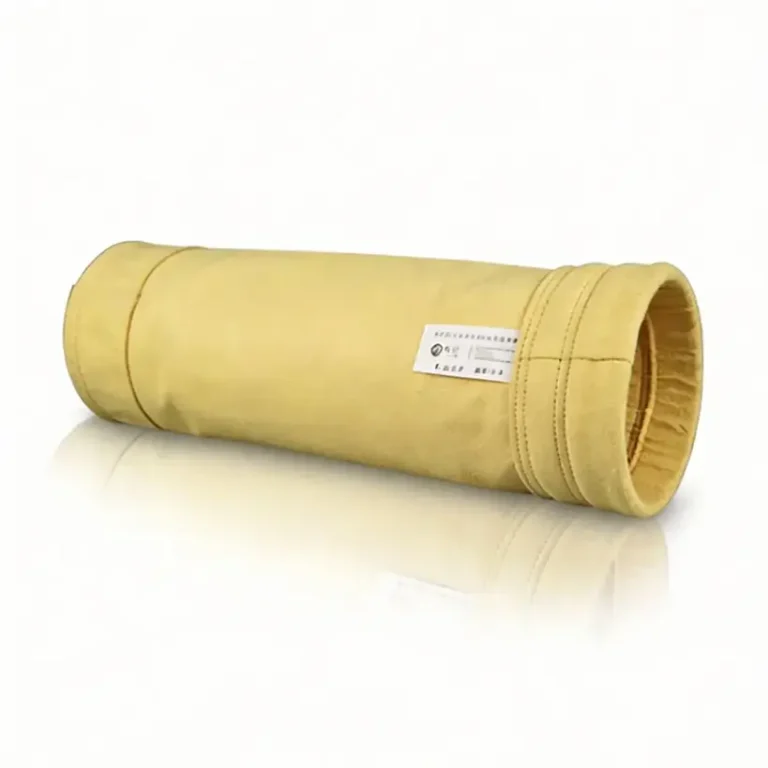
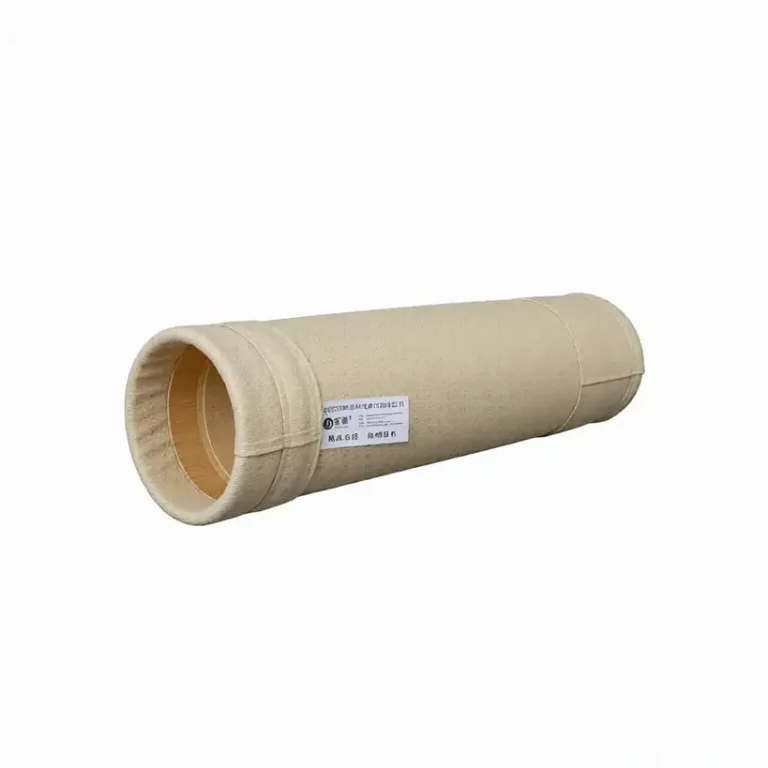
PPS, PTFE, fiberglass, aramid, P84 and acrylic are possible starting points—not universal recommendations. Confirm material limits, gas chemistry and the actual baghouse conditions before specifying a media.
MANUFACTURING & VERIFICATION
Manufacturing capability and project documentation
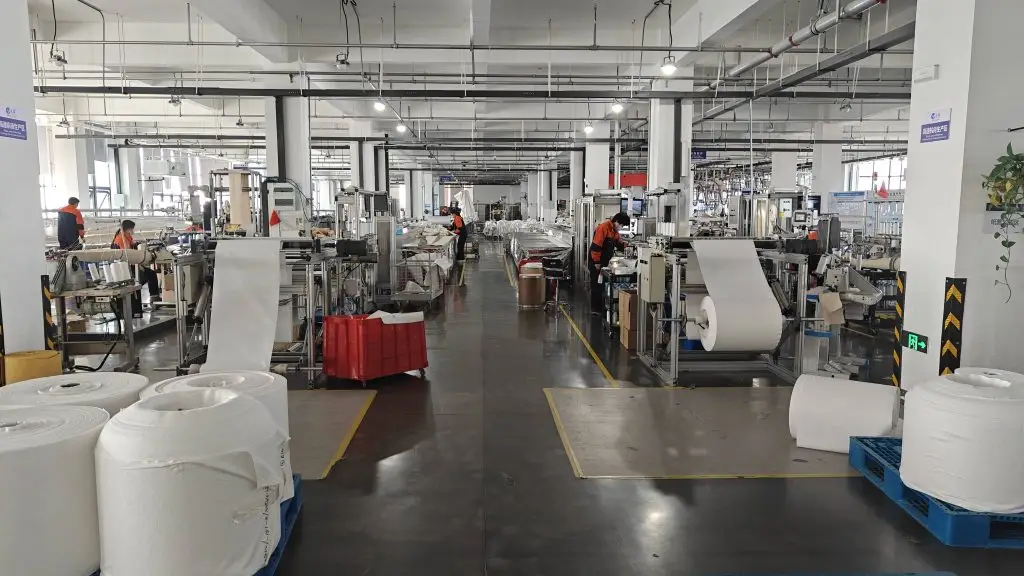
YuanChen has manufactured industrial filtration products since 2005. Our company profile describes a 50,000 m² production base, R&D facilities and ISO 9001 and ISO 14001 management systems.
For a boiler project, request the proposed media datasheet, operating-temperature definitions, bag drawing, construction details and relevant test data. Ask how the recommendation addresses your observed failure mode.
View our company and manufacturing profileHow We Develop a Boiler Filtration Recommendation
1. Review Operating Data
Collect fuel type, load range, gas and dust analysis, temperature trends, airflow, cleaning method and current baghouse details.
2. Diagnose Failure Modes
Review used bags, differential-pressure trends, cage wear, condensation evidence and pulse settings to identify likely causes.
3. Specify Media & Construction
Document candidate media and finish, dimensions, cuff, bottom and seam construction against the equipment drawing.
4. Support Installation
Provide fit and installation guidance, then use inspection and operating feedback to refine the next replacement.
BOILER BAGHOUSE FAQ
Questions to resolve before ordering boiler filter bags
Should I choose PPS or PTFE filter bags for a boiler?
Neither is automatically right. Compare the measured temperature range, oxygen, moisture, acid gases, dust characteristics and required service life with each supplier’s datasheet. Bag construction and system conditions also matter.
Why is my boiler baghouse pressure drop rising?
Possible causes include condensation, blinded media, increased ash loading, ineffective pulse cleaning or air-to-cloth conditions. Check the trend against fuel and load changes, then inspect representative bags and the cleaning system.
What data do you need to recommend replacement bags?
Send fuel type, boiler load range, baghouse airflow, normal/minimum/peak inlet temperatures, oxygen and moisture, acid gases, fly-ash properties, cleaning method, current bag dimensions and photos of failed bags.
Can one filter media serve coal and biomass boilers?
Not by fuel name alone. Biomass and coal can produce different ash and gas chemistry, and each plant’s controls and operating envelope vary. Recheck suitability whenever fuel or upstream treatment changes.
Send Your Boiler Baghouse Data for a Targeted Recommendation
Share fuel and load range, gas temperature trend, moisture and acid-gas data, fly-ash loading, differential-pressure history, cleaning method, current bag dimensions and failure photos. We can review the likely constraints and recommend a specification to evaluate.
Request a Technical Review