
XBO Robotics
Industrial inspection robots
Automate routine rounds on conveyors, in utility tunnels and across industrial sites. XBO robots collect inspection data, flag configured anomalies and give your team a record to review.
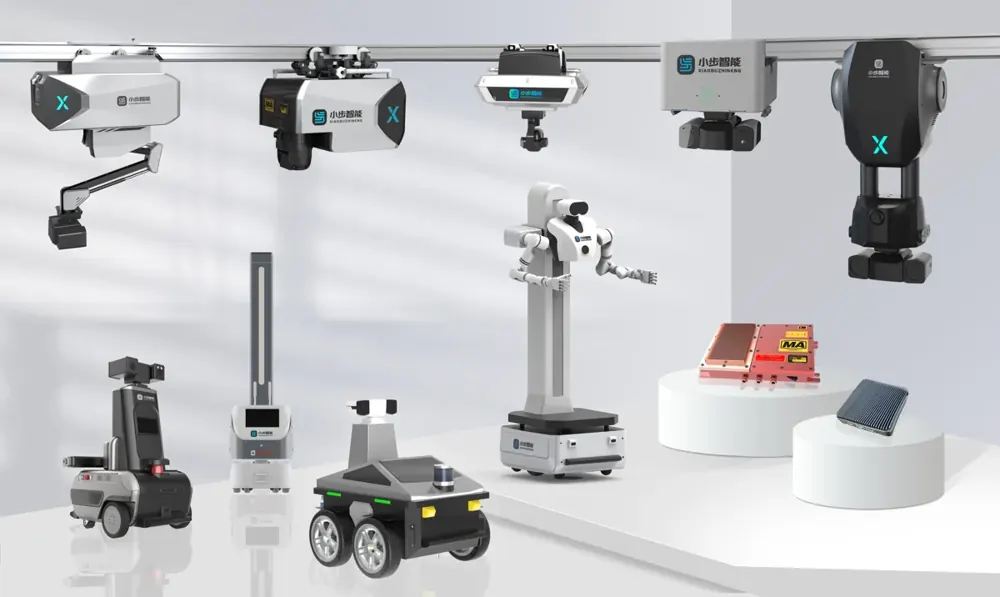
Applications
What do you need to inspect?
Start with the equipment, the route and the conditions your team checks today.
Conveyors and mining
Patrol long belt routes and review footage when a blockage or oversized material is flagged. For underground sites, verify equipment certification for the installation area.
Utility tunnels
Capture repeatable readings along fixed routes with limited access. Confirm clearance, rail installation and the sensors required at each inspection point.
Electrical rooms and outdoor sites
Check gauges, switch positions and equipment temperatures. For wheeled robots, map the route and verify surfaces, slopes and charging access.
Robot models
Choose a platform for your route
Compare rail-mounted and wheeled robots, plus a mobile platform for sites that also need simple handling tasks.
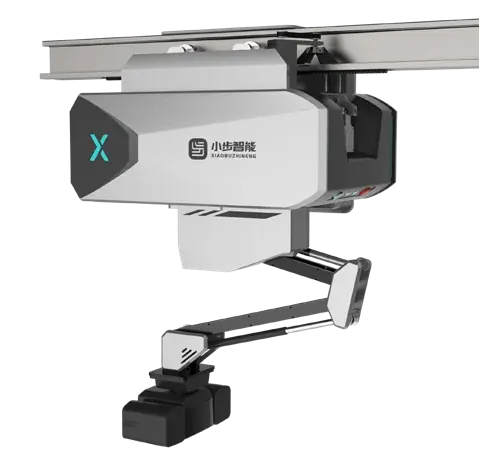
QN-2T / 2Z
Conveyor belt inspection
Run scheduled patrols along fixed belt routes. Configure visual monitoring for material buildup, blockages and oversized material.
Rail-guided · Battery with wireless charging
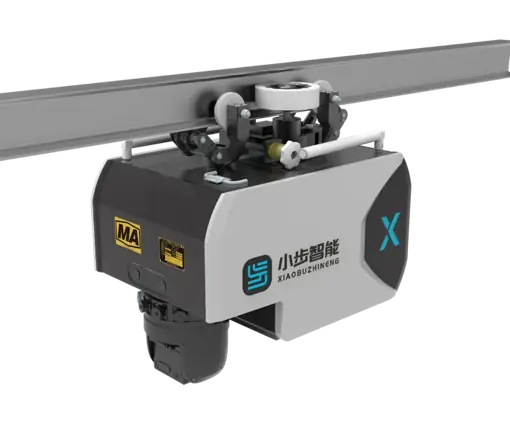
QN-2Ex / 2ExZ
Underground mine inspection
Review fixed underground routes with this flameproof and intrinsically safe inspection series. Confirm the model and its certification for the installation site.
Rail-guided · Battery · IP65
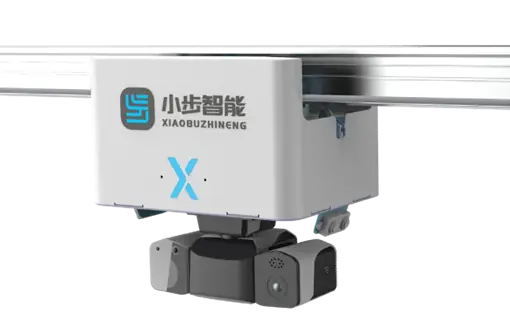
QN-3T / QN-3T mini
Utility tunnels and confined routes
Collect readings and images at repeatable points along a utility tunnel. Assess the mini model where rail clearance is limited.
Rail-guided · Contact charging · IP65
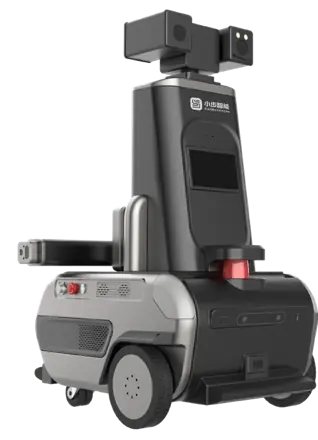
LQ-1T / LQ-2T
Indoor electrical rooms
Check gauges, switch positions and equipment temperatures across indoor inspection points. The image shows the LQ-2T.
SLAM + IMU · Battery · IP34 / IP54
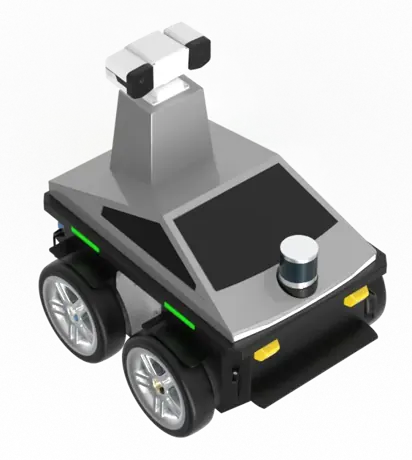
LQ-3T
Outdoor industrial sites
Inspect spread-out equipment with visible and infrared imaging. Check slopes, surface conditions and obstacles before deployment.
Laser navigation · Four-wheel drive · IP65
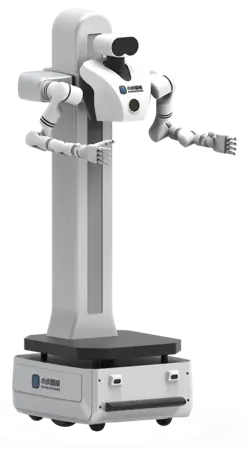
Luban S2
Mobile handling and inspection
Assess picking, sorting or transfer tasks on production lines and in warehouses. Validate the required reach, payload and end effector.
Omnidirectional base · 7-axis arms
Model specifications are from the XBO product brochure. Confirm sensors, power, connectivity and operating limits for your configuration.
Technical comparison
Compare deployment requirements by model
Check how the robot moves, how it charges and whether its enclosure suits the route before you shortlist a model.
Rail-mounted robots
QN-1T / 1JF
Fixed routes with conductor-rail power
IP42 · Up to 1 m/s
QN-2T / 2Z
Conveyor routes with wireless charging
IP65 · Up to 1 m/s
QN-2Ex / 2ExZ
Underground rail routes · Battery
IP65 · Up to 0.5 m/s
QN-3T
Utility tunnels · Contact charging
IP65 · 8 h rated runtime
QN-3T mini
Limited-clearance routes · Contact charging
IP65 · 7 kg · 5 h rated runtime
Wheeled robots and mobile manipulation
LQ-1T
Indoor inspection · SLAM + IMU
IP34 · 5 h rated runtime
LQ-2T
Indoor inspection · SLAM + IMU
IP54 · 6 h rated runtime
LQ-3T
Outdoor sites · Laser navigation
IP65 · 8 h rated runtime
Luban S2
Mobile handling · 7 axes per arm
IP54 · 5 kg rated payload per arm
Ratings are from the XBO product brochure. Confirm runtime under the planned inspection load, along with route clearance, slopes and the certification required at the site.
AI video and controls
Review alerts with the evidence in view
The XBO platform brings tasks, images and inspection records together so operators can review what happened at each inspection point.
Plan inspection rounds
Set routes and schedule automatic or periodic inspection tasks.
Review flagged events
See the readings, camera images and alert level at the affected point.
Trace inspection history
Review previous readings and images for the same point. The edge video management system can also query and export detection records.
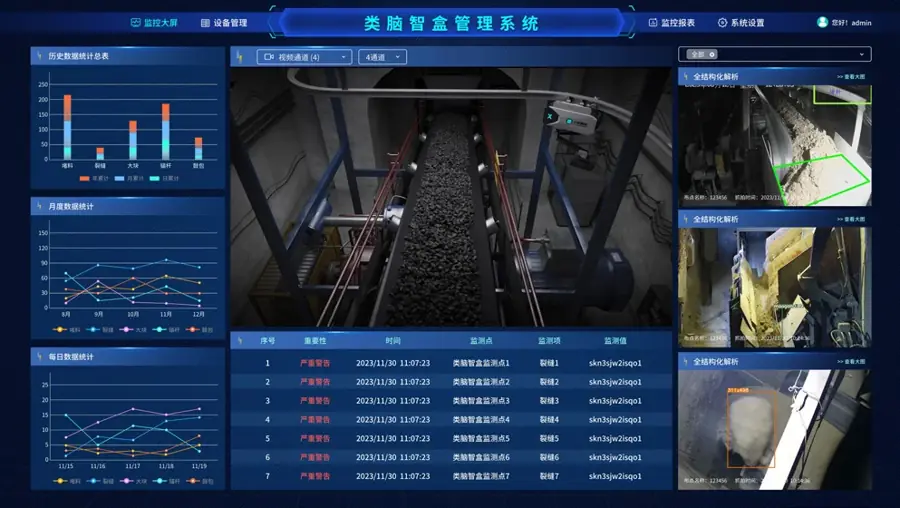
XBO control platform showing live camera views and inspection data for operator review.
Edge video analytics
Add detection to cameras you already have
Use fixed cameras to monitor specific points continuously. Add a mobile robot when you also need to inspect equipment along a route or collect thermal readings at multiple points.
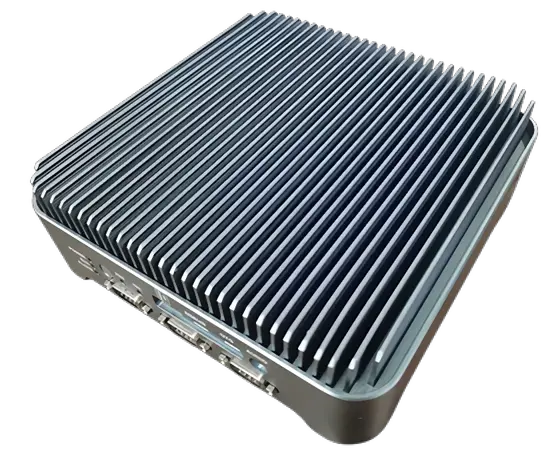
KY-1T
Video analytics for industrial sites
Evaluate camera views of conveyor transfer points, utility tunnels and electrical rooms. Detection tasks can include blockage, oversized material, intrusion or visible smoke.
Up to 8 video inputs · ONVIF / RTSP
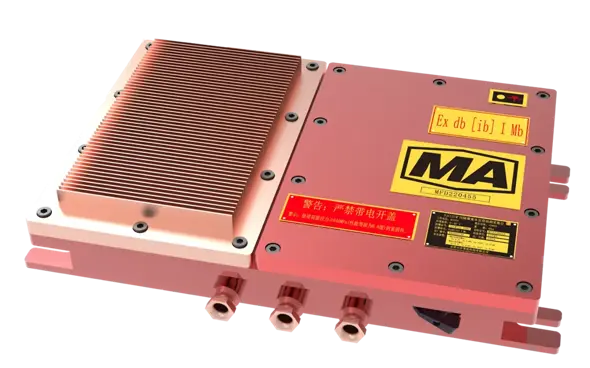
KY-1Ex
Video analytics for underground mines
Evaluate this flameproof and intrinsically safe model for underground camera feeds. Check certification for the exact unit and installation area.
Up to 8 video inputs · ONVIF / RTSP
Check the cameras and alert workflow before deployment
Share camera models, stream details and representative clips from normal and abnormal conditions. Check what each camera can see, then agree on who will receive alerts, which records to export and how the team will review flagged events.
Pilot and acceptance
Start with one route and agree what success looks like
Choose a route and a few inspection tasks that reflect day-to-day conditions. Agree on what the team will record and how it will judge the results.
Site survey
Map the route and inspection points
Mark the equipment, what needs to be observed at each point, and the required frequency. Check rail or floor clearance, slopes, charging access and wireless coverage.
Trial setup
Test with representative conditions
Configure the route and selected detections. Run trials against normal footage and known exceptions, including lighting changes, dust and occlusion where relevant.
Acceptance
Review coverage and alert quality
Compare completed points against the route plan. Review missed events, false alerts and the time operators need to find the relevant image or reading.
Planning your deployment
Questions before you shortlist a model
Rail-mounted or wheeled?
Consider a rail-mounted robot when equipment follows a fixed line or has limited ground access. Consider wheels where connected, passable floor routes link multiple inspection points.
Can we use our existing cameras?
Send the camera models and sample footage. Stream compatibility, image angle, lighting and the anomaly you want to detect all affect suitability.
What should we verify for underground use?
Check the exact robot and accessory certificates against local mine requirements and the installation area. The IP rating describes enclosure protection.
What if wireless coverage is uneven?
Survey the route at the planned operating times. Confirm network coverage at the inspection points, the link to the control platform and how the robot should behave if connectivity is interrupted.
Can we start with cameras and add a robot later?
You can assess stationary camera feeds at priority points first. Compare those views with the measurements a mobile robot would need to collect elsewhere, then scope the two deployments and any integration together.
How do operators fit into the workflow?
Agree who reviews an alert, what evidence they need to confirm it and how they log the response. Include those steps in the pilot so operators can test the workflow.
Project inquiry
Get help selecting a robot for your site
Share the route and a few priority inspection points. Tell us whether you need a new robot deployment, AI on existing cameras, or both so the discussion can focus on your site.
What to share
Include a site plan or route photos, route length and inspection frequency, the conditions or faults to detect, and any constraints on space, charging, connectivity or equipment certification. Mention XBO inspection robots in your message.