
Waste-to-Energy
Waste-to-Energy Flue Gas Treatment
Select filter bags and assess NOx control around the gas conditions your incineration line actually sees, including feed changes, start-up and planned outages.
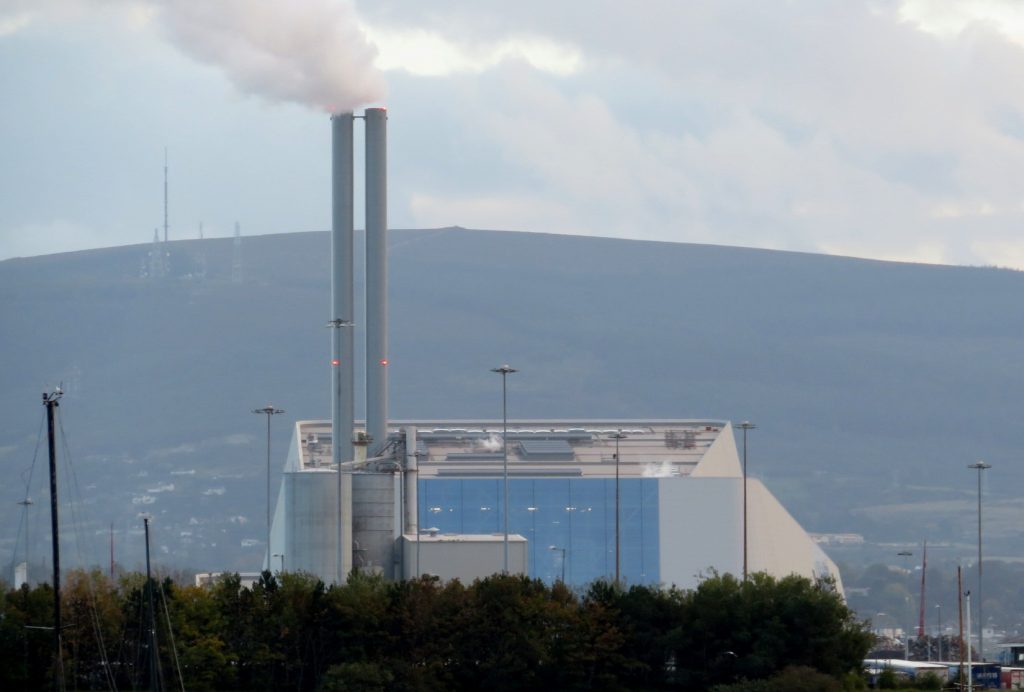
Industry photograph · Dublin Waste-to-Energy Facility, Ireland
Photo by O’Dea · CC BY-SA 4.0 · resized and cropped for display

Follow the gas through your treatment train
Use the site flow diagram to locate each treatment stage, sampling point and known operating constraint.
Combustion and heat recovery
Review waste or fuel mix, load changes and the temperature history after heat recovery. Capture the conditions reached during start-up and shutdown.
Reagent injection and filtration
Map where acid-gas sorbent and activated carbon enter the gas stream, where used. Check the resulting filter-cake load, ash behavior and pressure-drop trend.
NOx control and stack monitoring
Identify the installed SNCR or SCR arrangement, available temperature window, and operating data for NOx and ammonia slip.
Use operating trends to narrow the cause
Pressure drop rises after reagent changes
Overlay pressure-drop, dosing and cleaning history. Check deposit character, hopper discharge and moisture excursions before changing the media.
Filter failures recur after start-up
Review temperature and moisture trends across the full transition. Inspect seams, bag tops and localized wear to identify the mechanism.
Outlet dust is unstable
Compare emissions trends with compartment isolations and cleaning cycles. Inspect sealing interfaces and sample failed bags to locate bypass or damage.
Choose filter media for the actual gas envelope
A useful comparison starts with measured gas conditions, filter-cake behavior and the collector’s limits.
Baghouse filter media
Compare candidate constructions using normal and peak inlet temperatures, moisture, oxygen, acid-gas exposure, filtration velocity and the plant’s cleaning regime.
Compare filter bag materialsSCR catalysts
Evaluate activity at the installed reactor’s operating temperature, then check pressure-drop allowance, residual dust, poisoning risk and space constraints.
Explore SCR catalysts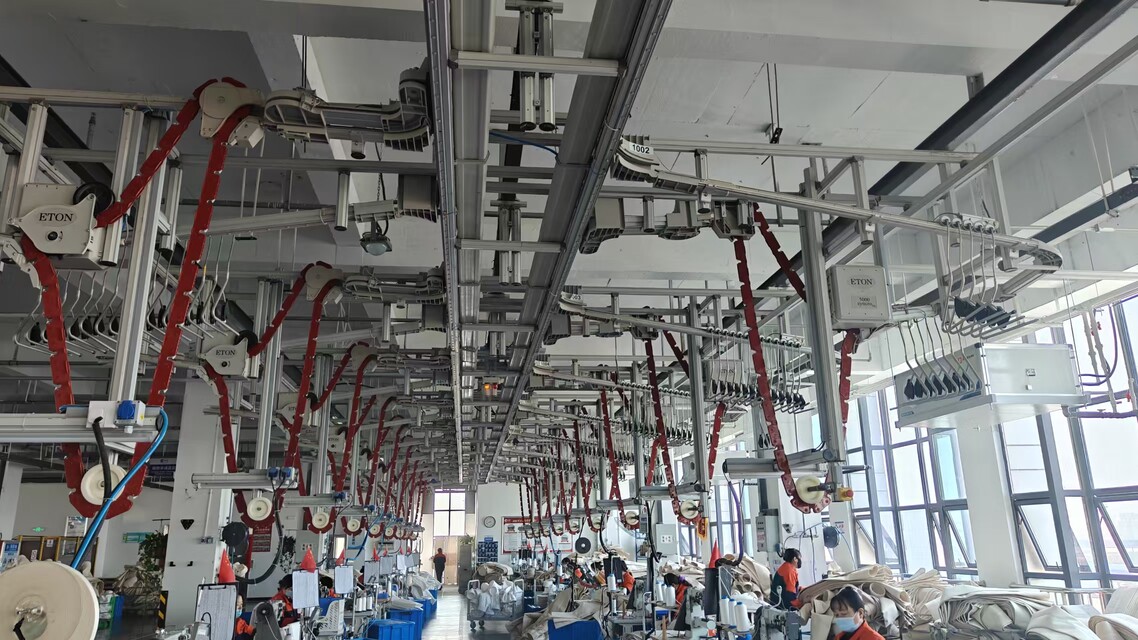
YuanChen filter bag production workshop
Outage planning
Prepare for the next bag changeout
Confirm bag and cage dimensions against the installed collector, then plan quantity, access and installation sequence by compartment. Agree on the pressure-drop and outlet-dust checks the operating team will monitor after restart.
Review industrial filter bag optionsQuestions from plant teams
Is PPS suitable for every waste-to-energy line?
PPS is one option within the appropriate operating envelope. Compare it with PTFE and other constructions using the measured temperature, oxygen and chemical exposure at the collector inlet.
Can you review a baghouse with dry or semi-dry treatment upstream?
Share the flow diagram, reagent type and dosage trends, dust burden and filter-cake observations. These inputs help assess media, cleaning and pressure-drop requirements.
Project inquiry
Share your incineration line operating data
Send the line flow diagram, waste or fuel type, baghouse inlet temperatures, gas chemistry, pressure-drop trend, reagent system and any drawings or used-bag findings.