
Let’s be honest—if you’ve ever run an asphalt plant, you know exactly what comes out of that stack isn’t pretty. The dust from the drying drum, the blue smoke from hot mix, the fine particulates that drift into the neighborhood—it’s not just the environmental agency watching. It’s the people living downwind.
That’s why you need a baghouse. Or more precisely, a well-designed bag filter system that doesn’t just meet regulations but keeps your plant running at full capacity without constant headaches.
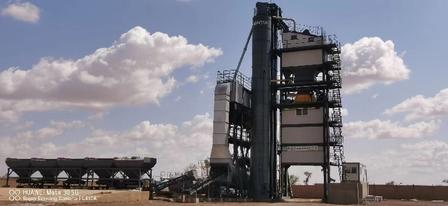
In the industry, baghouse dust collectors are the gold standard for asphalt plants. They regularly achieve 99.9% filtration efficiency, with outlet emissions consistently below 10 mg/Nm³—well under most national limits (typically 100 mg/Nm³). But here’s the catch: buying a bag filter is easy. Making it work reliably, day in and day out, with minimal downtime and reasonable operating costs—that takes know-how.
This isn’t a theoretical piece. It’s a practical, no‑fluff guide drawn from real plant operations, field upgrades, and maintenance logs. We’ll cover how to select, operate, maintain, and troubleshoot your bag filter system—so you can keep producing without the regulator knocking on your door.
Why Asphalt Plants Can’t Skip the Baghouse
Dust generation is baked into the process. Cold aggregates tumble through the drying drum, kicking up fine particles. The hot elevator, vibrating screens, weigh hoppers, and mixer all add their own fugitive emissions. Without treatment, stack concentrations can easily hit hundreds—even thousands—of milligrams per cubic meter.
Regulatory limits are tightening everywhere. In China, the Integrated Emission Standard of Air Pollutants (GB16297-1996) sets clear caps. The 2025 industry standard JT/T 1539-2025 goes further, mandating green production practices across the entire mixing station. In the US, EPA’s NESHAP for asphalt plants is equally strict. Europe’s BREF documents push for best available techniques.
One thing is universal: a bag filter is the most reliable tool for meeting these limits. It’s proven, it’s scalable, and it’s the baseline for any serious operation.
Why a Cyclone First? The Two‑Stage Setup
Newcomers often ask: if the baghouse is so efficient, why bother with a cyclone upfront?
Simple—you want to protect your bags and extend their life.
The exhaust from the drying drum carries everything from coarse sand grains to micron‑sized dust. If those heavy particles hit the filter bags directly, they’ll wear out the fabric, sometimes even punch holes through it. That’s why nearly every modern asphalt plant uses a two‑stage approach:
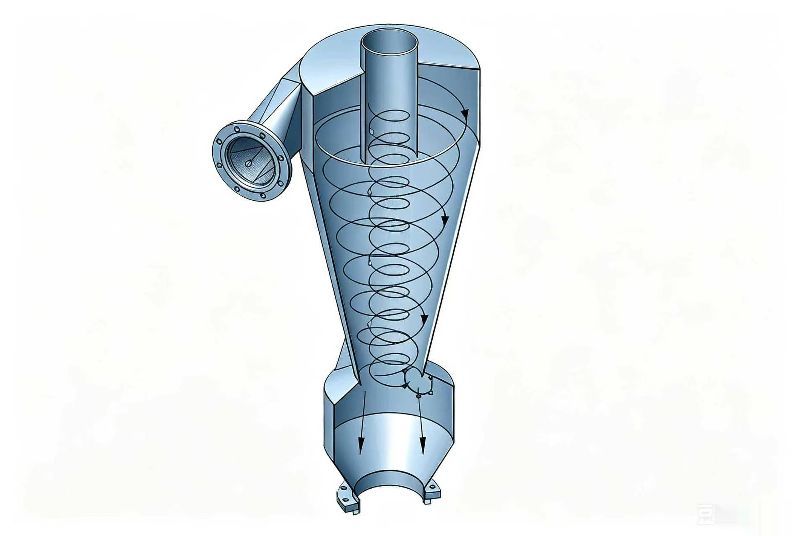
- Cyclone (primary) – uses centrifugal force to spin out the larger, heavier particles. These coarse dusts can often be reclaimed as filler or recycled back into the mix.
- Bag filter (secondary) – handles the fine dust that escapes the cyclone, with a much lower dust load.
A well‑tuned cyclone can knock out 80‑90% of the total particulate mass. That means your baghouse only sees the fine fraction, which reduces cleaning frequency, lowers pressure drop, and dramatically extends bag life.
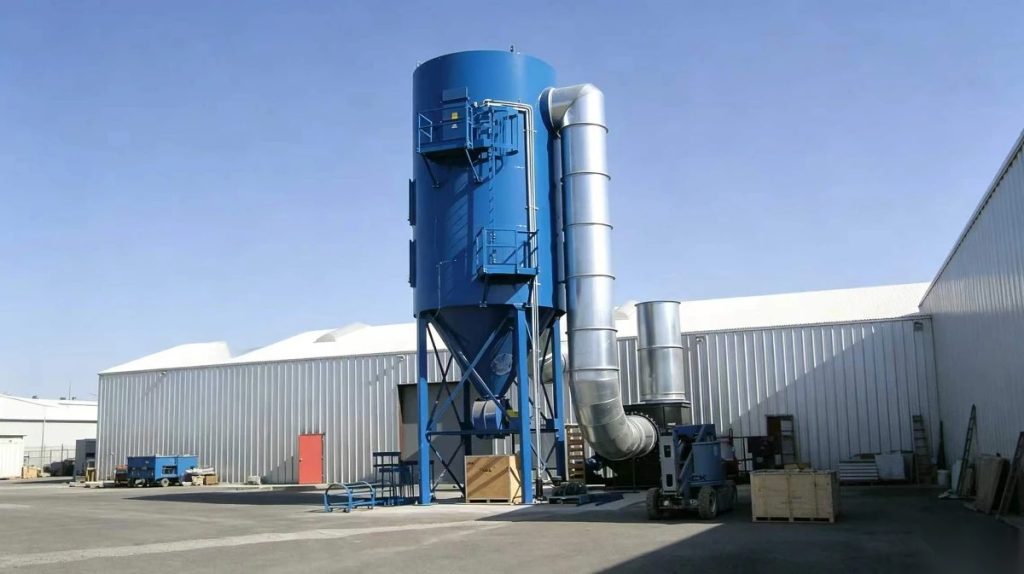
Bag Material: Why Nomex® Dominates
The heart of any baghouse is the filter fabric. Choose wrong, and you’ll be replacing bags every few months—or worse, shutting down because of emissions spikes.
Asphalt drum exhaust typically runs between 150°C and 190°C, with transient spikes even higher. Standard polyester bags shrink, harden, or melt at these temperatures. That’s why the industry standard is aramid fiber—the most famous brand being Nomex®.
Nomex® holds its strength and dimensional stability at high temperatures, and it resists the chemical attack from the acidic gases present in asphalt exhaust. It’s not the cheapest option, but over the life of the plant, it pays for itself many times over in reduced downtime.
Beyond the base material, bag geometry has evolved. Extended Surface Bags (ESB) are gaining traction—they increase filtration area per bag, lowering the air‑to‑cloth ratio without enlarging the housing. This means you can boost capacity or cut emissions on an existing footprint.
Pleated filter elements are another option. They pack more media into the same space, making them ideal for retrofits where space is tight. However, if you choose a membrane‑laminated fabric to hit ultra‑low emissions, watch out—hydrocarbons in asphalt fume can blind the membrane quickly, so test carefully.
Cleaning Mechanisms: Pulse‑Jet vs. Rotary Step‑Clean
Once dust builds up on the bag surface, you have to get it off—otherwise, pressure drop rises, the fan can’t pull enough air, and production drops. Cleaning is the lifeline of any baghouse.
Pulse‑jet cleaning is the most common approach. A short blast of compressed air is fired down the inside of each bag, creating a shock wave that flexes the bag and knocks off the dust cake. It works well, but the pulse frequency and pressure need fine‑tuning. Too aggressive, and you shorten bag life. Too gentle, and you don’t clean thoroughly.
Ammann’s rotary step‑clean system offers a mechanical alternative. It uses a patented rotating manifold that gently cleans bags without high‑pressure blasts. Fewer moving parts, less wear, and lower maintenance—at least in theory. In practice, it’s been shown to be exceptionally durable, as seen in the Colas asphalt plant in Denmark, where the upgrade not only cut emissions but also delivered long‑term energy savings.
Real‑World Case: 93% Fewer Pulses, 10% More Output
Numbers speak louder than theory. Let’s look at an Australian asphalt plant that had hit a wall.
Their baghouse was struggling. Bags were blinding, the drum couldn’t pull enough draft, and emissions were creeping up. They’d even resorted to using air cannons—firing blasts at individual bags to knock off stubborn dust, a dangerous and desperate measure.
Micronics stepped in with a two‑pronged fix:
- Swapped old bags for StarBag™ extended‑surface elements—more area, lower air‑to‑cloth ratio.
- Overhauled the cleaning system—new collection tank, upgraded valves, repositioned blow pipes, and fitted a PTronik™ smart controller to monitor and adjust cleaning on the fly.
The results after the retrofit:
| Metric | Before | After | Improvement |
|---|---|---|---|
| Throughput | baseline | +10% | capacity gain |
| Pulses over 18 hours | 12,960 | 895 | 93% fewer |
| Pulse pressure | 700 kPa | 450 kPa | 36% lower |
| Emissions | non‑compliant | compliant | problem solved |
Fewer pulses mean less mechanical stress on the bags, which translates directly to longer bag life. Lower pressure means less compressed air consumption—so energy costs drop too. And the 10% production boost? That’s pure profit.
Daily Maintenance: The 8 Overlooked Details
Even the best equipment fails without proper care. Here’s what plant operators routinely miss—and what you should check every shift:
- Operator training – your team must understand how the baghouse works, not just press buttons. Teach them to read pressure drops, listen for valve leaks, and spot trouble before it shuts you down.
- Lubrication – gearboxes, rotary valves, and bearings need regular grease. Use the manufacturer’s schedule—and log it. Skipping a lube point can cost a bearing in weeks.
- Air preparation – the oil‑water separator on your compressed air line should be drained at least once per shift. Clean the filter element every 3‑6 months. Wet, oily air will ruin your pulse valves and accelerate bag degradation.
- Pulse valves – if a valve fails to fire or leaks, address it immediately. Replace damaged diaphragms promptly—a leaking valve wastes air and can cause localized bag wear.
- Continuous discharge – the dust discharge system (rotary valve or screw conveyor) must run continuously while the baghouse is in operation. If it stops, the hopper fills, dust backs up into the bag chamber, and you’re looking at a forced shutdown.
- Cleaning controls – if you use timer‑based cleaning, verify the cycle length periodically. For differential‑pressure‑based cleaning, check that the pressure taps aren’t clogged and the switches are calibrated.
- Start‑up / shut‑down sequence – on startup: air supply on, controls powered, discharge running, then start the process. On shutdown: keep the baghouse fan running for at least 15‑30 minutes after the process stops to purge moisture and residual dust—preventing condensation and bag blinding.
- Continuous monitoring – track gas flow, inlet/outlet temperature, and differential pressure. Any drift is an early warning. Log the data daily—trends reveal problems before they become failures.
Common Faults and Troubleshooting Guide
| Symptom | Likely Cause | What to Check |
|---|---|---|
| Higher than normal emissions | Torn or loose bags, or over‑cleaning | Inspect bags for holes; check bag attachment; reduce pulse pressure/frequency |
| Pressure drop climbing steadily | Blinding (dust caking), inadequate cleaning, or too high air‑to‑cloth ratio | Check for moisture or oil causing sticky dust; verify pulse valves are firing; consider adding more bag area |
| Premature bag failure | Excessive temperature, sparks, abrasion, or acid attack | Verify temperature controls; check for tramp metal/sparks entering the gas stream; inspect ductwork for leaks |
| Poor pulse cleaning | Wet/dirty compressed air, failed valve diaphragm, or misaligned blowpipe | Drain air system; test valve operation; ensure nozzles are centered over each bag |
| Dust buildup in hopper | Discharge stopped or conveyor jammed | Immediately check rotary valve and conveyor—clear blockage quickly |
Final Thoughts: The Baghouse Isn’t an Option—It’s Your License to Operate
Let’s cut the fluff: your bag filter system is the single most critical environmental control in your asphalt plant. It’s not a nice‑to‑have—it’s what keeps you running legally, efficiently, and profitably.
From the design phase, go with a two‑stage cyclone‑baghouse setup. Choose Nomex® or equivalent heat‑resistant media. Keep your air‑to‑cloth ratio conservative—industry experts recommend staying below 5:1 for most applications. Tune your cleaning system to the minimum effective intensity. And never, ever neglect the daily walk‑around checks.
Investing in a proper baghouse—or upgrading an aging one—delivers returns in multiple ways: lower emissions, higher throughput, reduced energy costs, and longer bag life. The data from the Australian retrofit isn’t an outlier—it’s what’s achievable when you apply engineering discipline to dust control.
Regulations aren’t going to loosen. Neighbors are more vocal than ever. And the cost of a shutdown or a fine far exceeds the price of a well‑maintained baghouse. Do the math, train your crew, and make dust collection a priority—not just for compliance, but for the long‑term health of your business.